


Why North Korea Hates the USA: A Comprehensive Analysis
Introduction
The relationship between North Korea and the United States has been strained and complex for decades. North Korea’s deep-seated animosity towards the USA is a subject of considerable interest and debate. This article aims to delve into the reasons behind North Korea’s hatred for the USA, examining historical, political, and ideological factors that have contributed to this adversarial relationship.
Historical Context
The Korean War
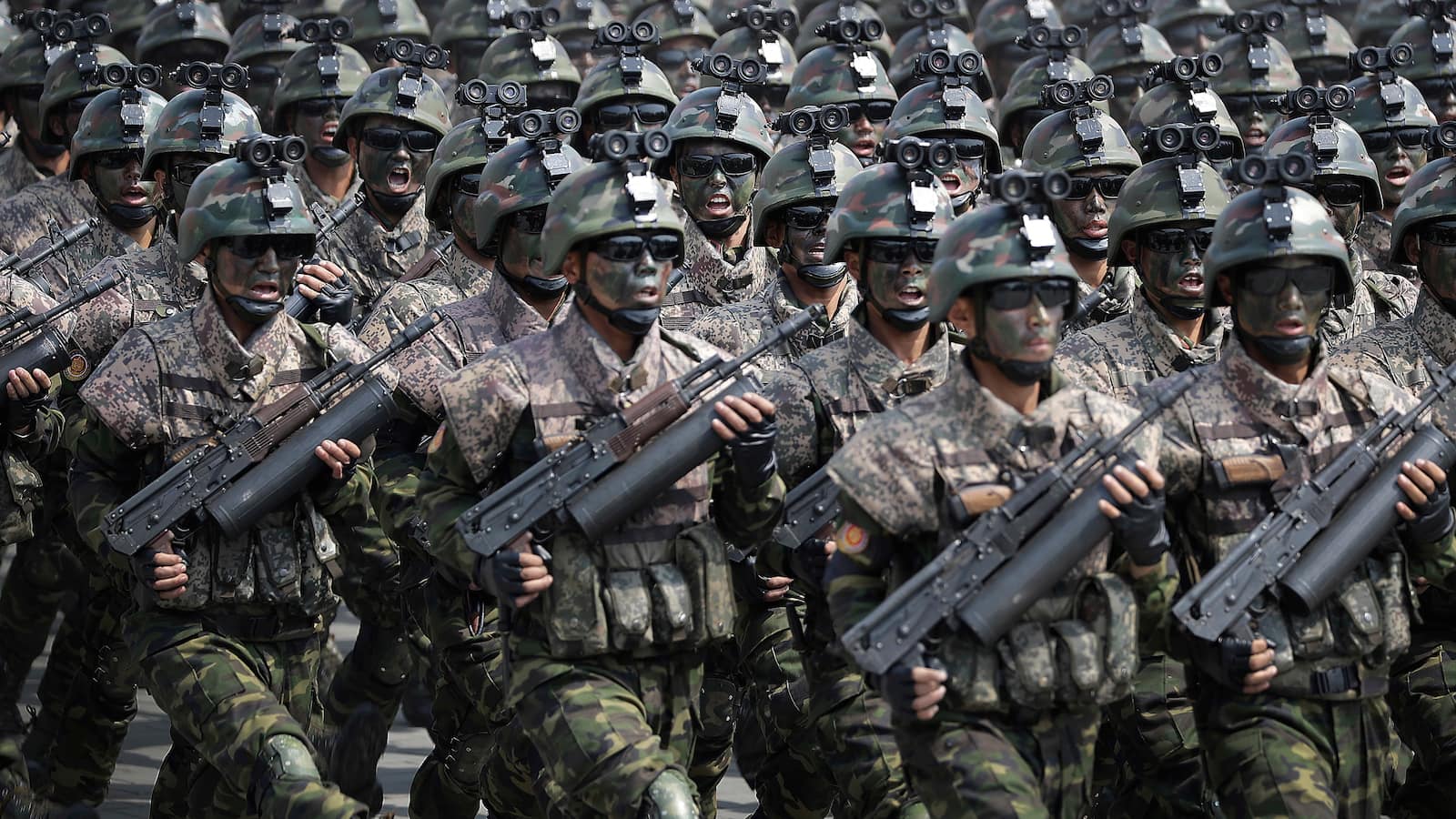
The roots of North Korea’s animosity towards the USA can be traced back to the Korean War (1950-1953). The war, which ended in a stalemate, was a direct result of the Cold War rivalry between the United States and the Soviet Union. The USA supported South Korea, while North Korea received backing from the Soviet Union and China. The war resulted in the deaths of millions and left a lasting scar on the Korean Peninsula.
The Division of Korea
The Korean War not only led to the deaths and destruction but also to the division of Korea into two separate countries: North Korea and South Korea. The division was not only geographical but also ideological, with North Korea adopting a communist regime under Kim Il-sung and South Korea becoming a democratic capitalist state. This division has been a source of tension and animosity between the two countries.
Political Factors
Ideological Differences
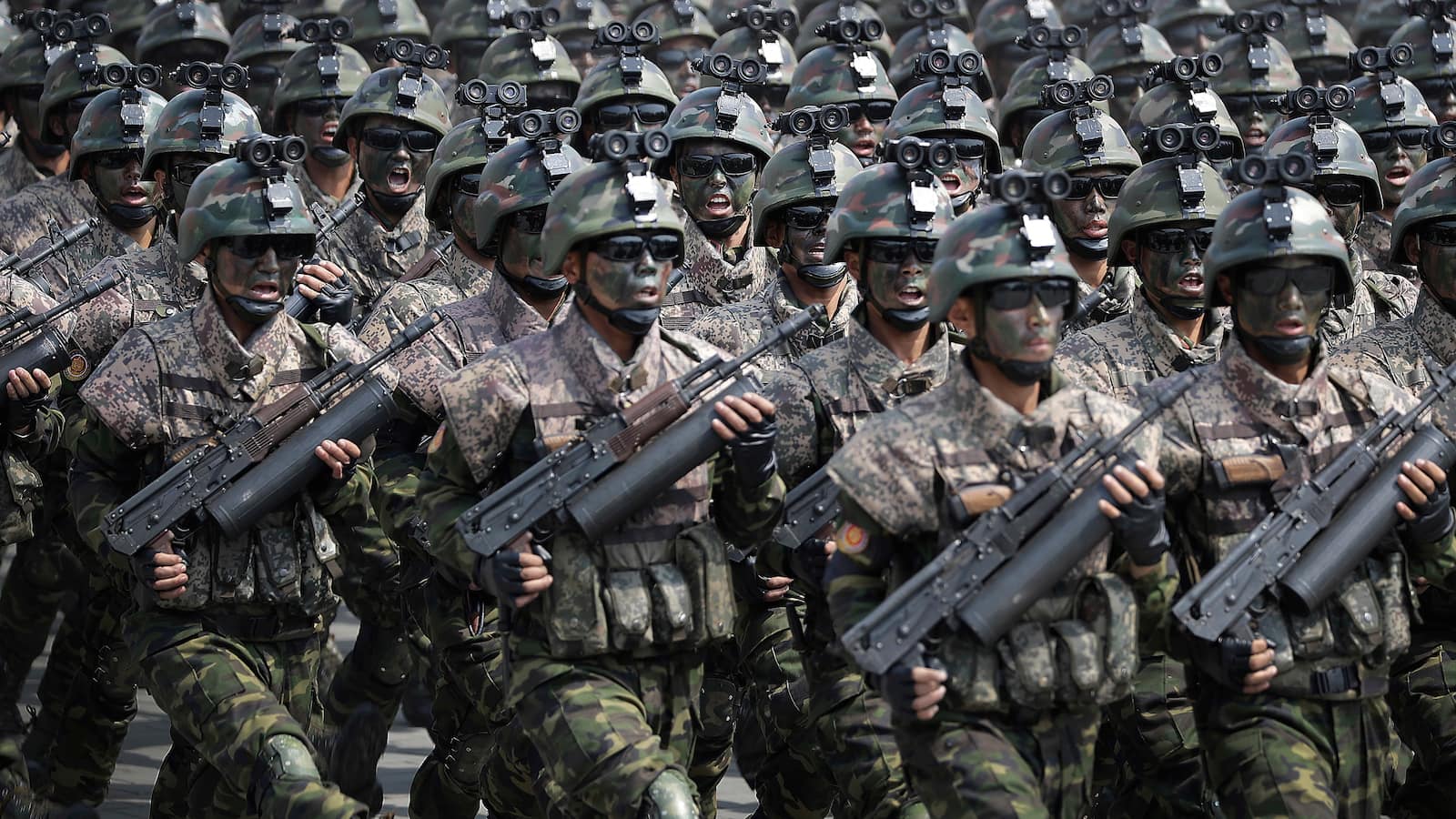
One of the primary reasons why North Korea hates the USA is the ideological differences between the two countries. North Korea is a totalitarian state with a communist ideology, while the USA is a democratic capitalist nation. The ideological conflict has been a constant source of tension and mistrust.
Sanctions and Economic Blockade
The USA has imposed strict economic sanctions on North Korea, aiming to curb its nuclear and missile programs. These sanctions have had a devastating impact on North Korea’s economy, leading to widespread suffering among its citizens. North Korea views these sanctions as an act of economic warfare and a deliberate attempt to weaken its regime.
Military Presence
The USA maintains a significant military presence in South Korea, which North Korea perceives as a direct threat. The presence of US troops in South Korea is a constant reminder of the past conflict and the potential for future aggression. This military presence exacerbates North Korea’s sense of insecurity and animosity towards the USA.
Ideological Factors
Propaganda and Anti-Americanism
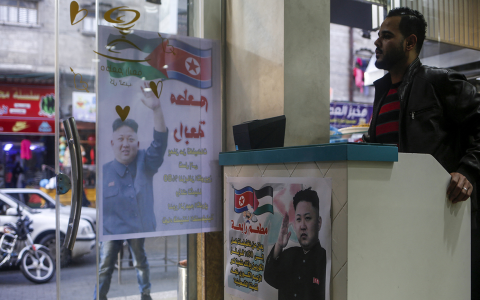
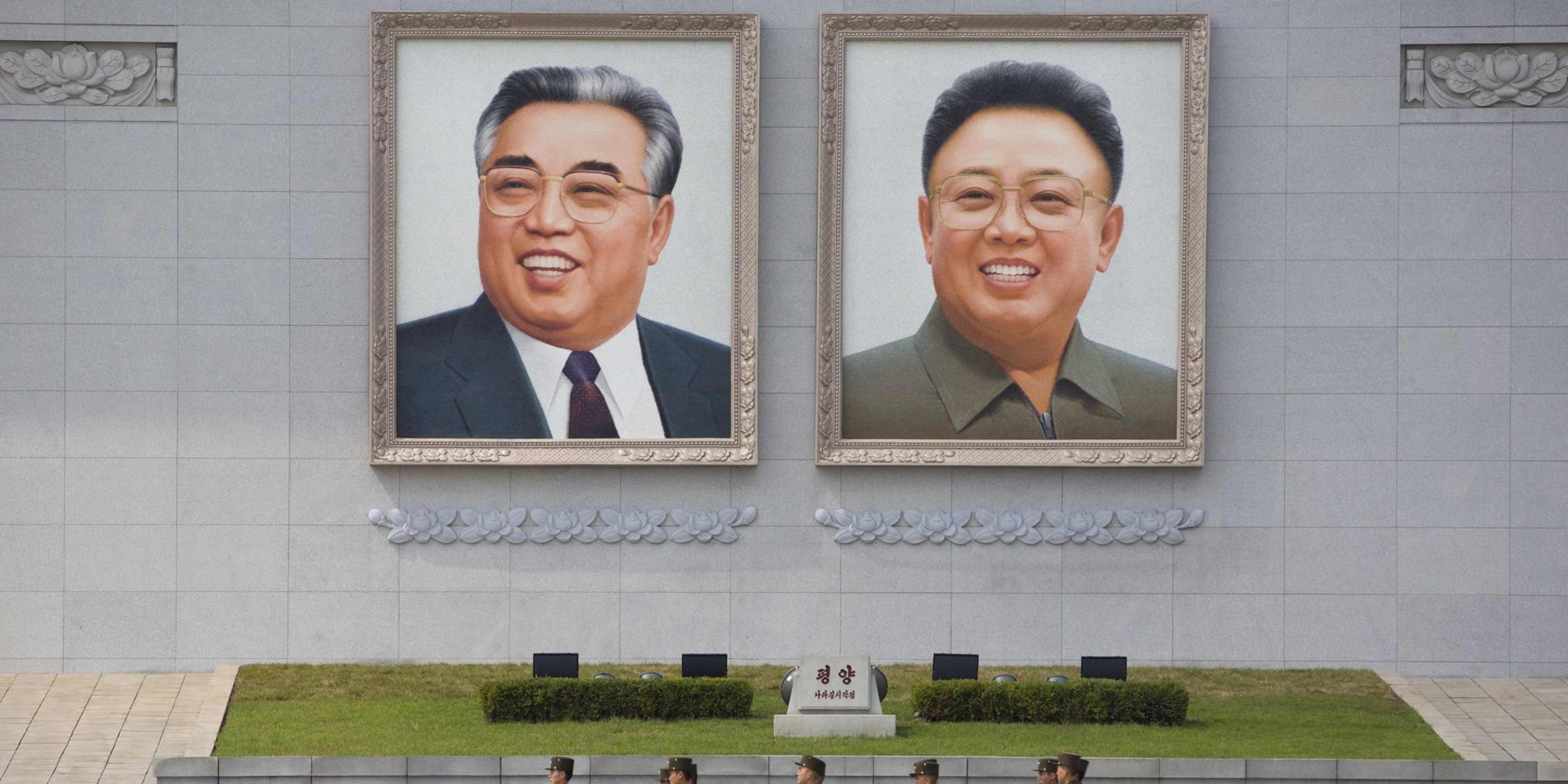
North Korea has been using propaganda to instill anti-Americanism among its citizens. The regime portrays the USA as an imperialist power that seeks to exploit and dominate other nations. This propaganda has been effective in creating a strong anti-American sentiment within North Korea.
The Legacy of the Korean War
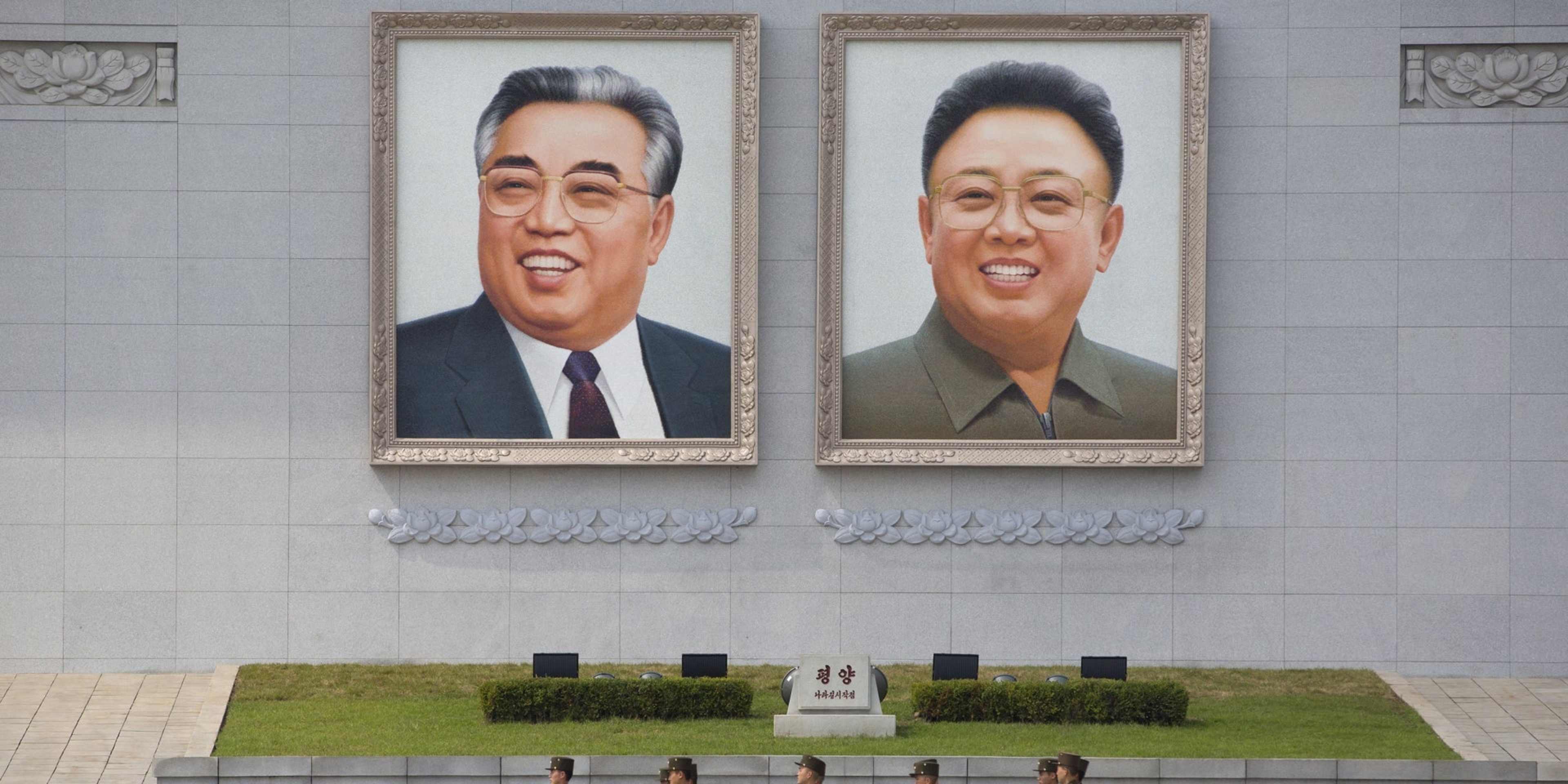
The legacy of the Korean War continues to influence North Korea’s perception of the USA. The war is often remembered as a tragedy, and the suffering caused by the conflict is a source of deep resentment towards the USA. This historical narrative has been perpetuated by the North Korean regime to maintain its grip on power.
Conclusion
In conclusion, North Korea’s hatred for the USA is a multifaceted issue rooted in historical, political, and ideological factors. The division of Korea, the Korean War, ideological differences, economic sanctions, military presence, propaganda, and the legacy of the war have all contributed to the adversarial relationship between the two countries. Understanding these factors is crucial for any attempt to resolve the tensions and promote peace on the Korean Peninsula.
Recommendations and Future Research
To address the issue of North Korea’s hatred for the USA, it is essential to engage in diplomatic efforts that focus on mutual respect and understanding. The following recommendations are proposed:
1. Diplomatic Engagement: The USA should continue to engage in diplomatic talks with North Korea to address the root causes of animosity and work towards a peaceful resolution.
2. Economic Assistance: The international community should consider providing economic assistance to North Korea to alleviate the suffering caused by sanctions and help rebuild the country.
3. Cultural Exchange: Promoting cultural exchange programs can help break down stereotypes and foster mutual understanding between the two nations.
Future research should focus on the following areas:
1. The Impact of Propaganda: Investigating the effectiveness of North Korea’s propaganda in instilling anti-Americanism among its citizens.
2. The Role of Historical Narratives: Examining how the historical narrative of the Korean War influences North Korea’s perception of the USA.
3. The Potential for Peace: Exploring the possibilities for peace on the Korean Peninsula and the role that the USA can play in achieving it.
By understanding the complex reasons behind North Korea’s hatred for the USA, we can move towards a more peaceful and stable future for the Korean Peninsula.




