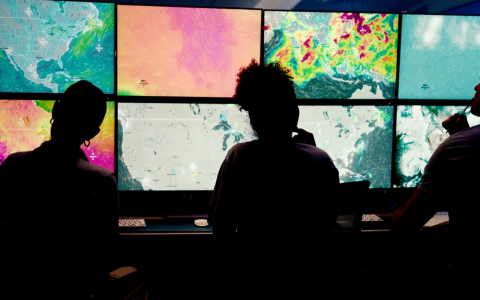
The Pivotal Role of Technology in the Modern Era
In the contemporary world, the term technology encompasses a vast array of innovations that have revolutionized the way we live, work, and interact with our environment. From the simplest gadgets to the most complex systems, technology has become an integral part of our daily lives. This article delves into the multifaceted role of technology, exploring its impact on society, its potential benefits, and the challenges it presents. By examining various aspects of technology, we aim to provide a comprehensive understanding of its significance in the modern era.
The Evolution of Technology
The journey of technology is a testament to human ingenuity and curiosity. From the invention of the wheel to the advent of the internet, technology has continually evolved, shaping the course of human history. The Industrial Revolution marked a significant turning point, with the introduction of steam engines and machinery that transformed manufacturing processes. The 20th century saw the rise of computers, telecommunications, and the internet, paving the way for the digital age.
Technological Advancements and Their Impact
Communication Revolution
One of the most profound impacts of technology has been on communication. The invention of the telegraph, telephone, and, more recently, the internet, has made it possible for people to connect instantaneously across the globe. This has not only facilitated global trade and collaboration but has also brought people closer together, fostering a sense of community and cultural exchange.

Medical Breakthroughs
Technology has also played a crucial role in the medical field, leading to groundbreaking advancements. From the development of antibiotics to the use of robotic surgery, technology has saved countless lives and improved the quality of healthcare. Genetic engineering and personalized medicine are areas where technology is poised to make even more significant strides in the future.
Environmental Impact
While technology has brought numerous benefits, it has also had a significant environmental impact. The reliance on fossil fuels, for instance, has contributed to climate change and pollution. However, technology is also being used to address these challenges. Renewable energy sources, such as solar and wind power, are becoming increasingly viable, and advancements in energy efficiency are helping to reduce our carbon footprint.
The Benefits of Technology
Increased Efficiency
One of the most apparent benefits of technology is its ability to increase efficiency. Automation, for example, has streamlined manufacturing processes, reducing the need for manual labor and improving productivity. This has not only led to economic growth but has also created new job opportunities in technology and related fields.
Access to Information
The internet has democratized access to information, making it easier for people to learn, research, and stay informed. This has had a profound impact on education, allowing students to access resources from around the world and learn at their own pace.
Quality of Life
Technology has also improved the quality of life for many people. Smart homes, for instance, offer convenience and comfort, while wearable technology helps us monitor our health and fitness. The rise of e-commerce has made shopping more convenient, and social media platforms have brought people closer together.

The Challenges of Technology
Privacy Concerns
One of the most pressing challenges of technology is privacy. With the increasing amount of data being collected and stored, concerns about data breaches and surveillance have become more prevalent. Ensuring the security and privacy of personal information is a critical issue that needs to be addressed.
Job Displacement
The automation of jobs is another challenge. While technology has created new opportunities, it has also led to the displacement of workers in certain sectors. Addressing this issue requires a proactive approach, including retraining programs and policies that support workers transitioning into new roles.
Technological Divide
The digital divide is a significant challenge, with many people lacking access to technology and the internet. Bridging this gap is essential for ensuring that everyone has the opportunity to benefit from the digital age.
Conclusion
In conclusion, technology has become an indispensable part of our lives, driving innovation, improving efficiency, and enhancing our quality of life. However, it also presents challenges that need to be addressed. By understanding the impact of technology and working together to mitigate its negative effects, we can harness its full potential to create a better future.
The importance of technology cannot be overstated. It has the power to transform societies, solve complex problems, and create new opportunities. As we continue to advance technologically, it is crucial to remain mindful of the ethical implications and ensure that technology serves the interests of all humanity.
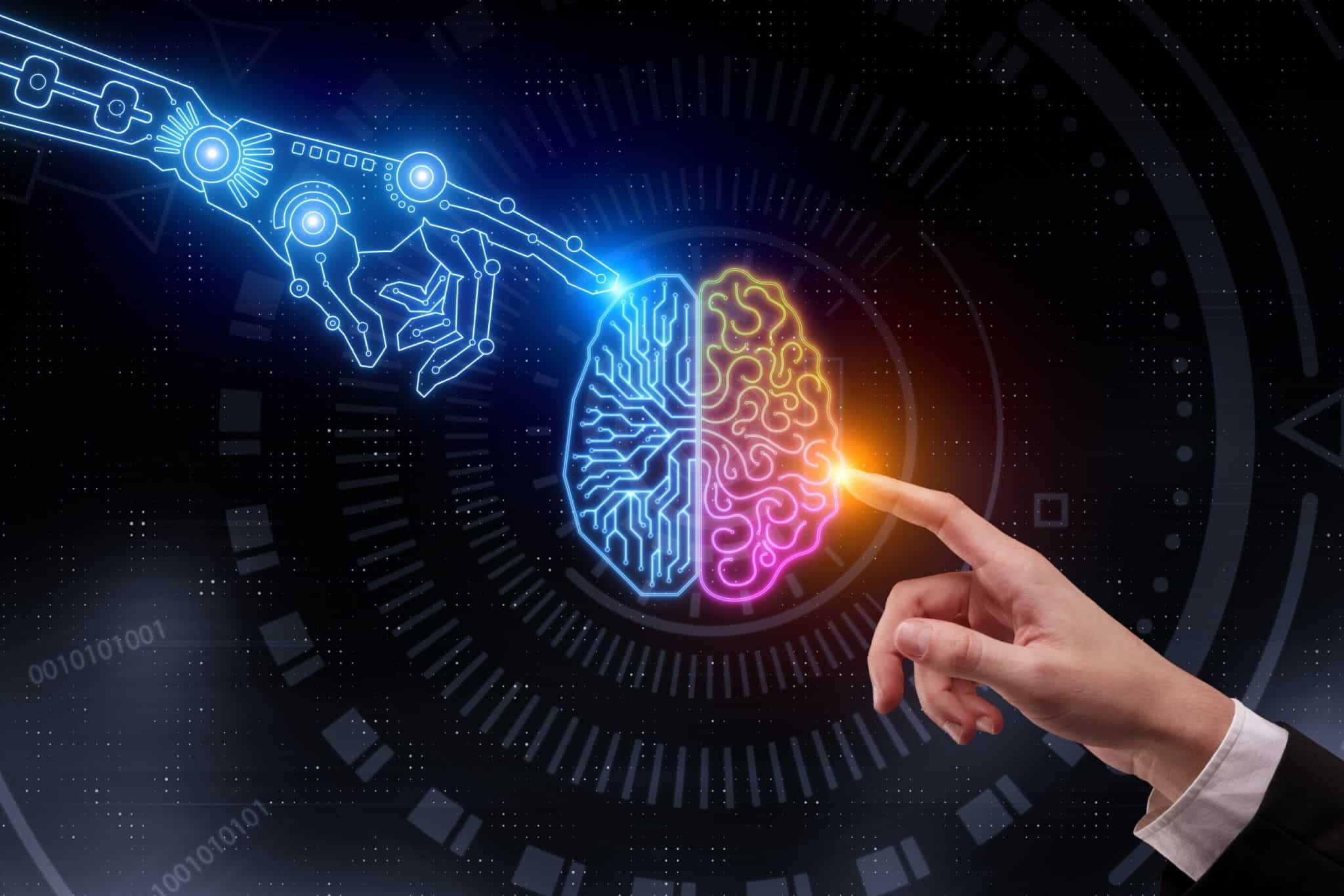
Future research should focus on developing solutions to the challenges posed by technology, such as privacy concerns and job displacement. Additionally, efforts should be made to bridge the technological divide and ensure that everyone has access to the benefits of the digital age. By doing so, we can create a more equitable and sustainable future for all.