


Title: The Impact of Today’s Face the Nation on Public Discourse and Political Engagement
Introduction:
In today’s rapidly evolving media landscape, Today’s Face the Nation has emerged as a significant platform for public discourse and political engagement. This article aims to explore the impact of this program on the American public, examining its role in shaping public opinion, fostering political debate, and encouraging civic participation. By analyzing the content, structure, and audience engagement of Today’s Face the Nation, this article will provide insights into its significance in the realm of political communication.
Content and Structure of Today’s Face the Nation
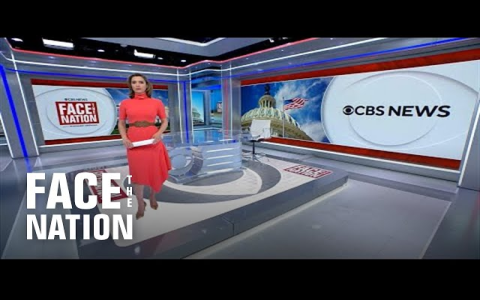
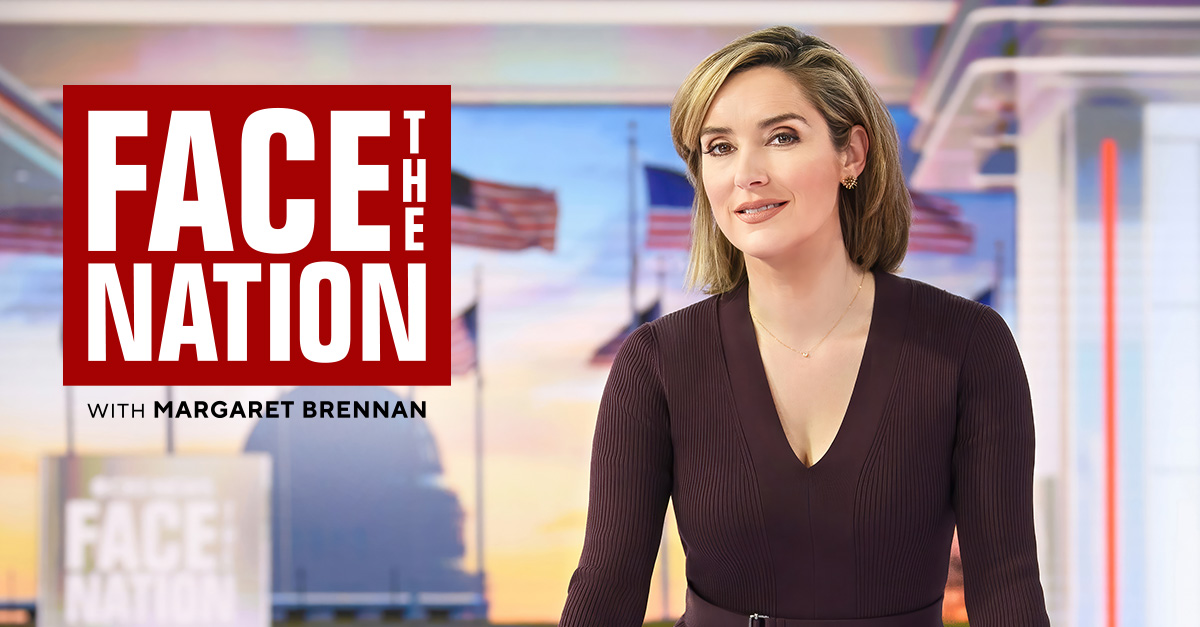
Today’s Face the Nation is a weekly news and public affairs program that has been broadcasting since 1956. The program features interviews with prominent political figures, journalists, and experts on various topics related to politics, economics, and social issues. The format typically includes a panel discussion, where guests offer their perspectives on the week’s news and current events.
The content of Today’s Face the Nation is diverse, covering a wide range of topics that resonate with the American public. The program often delves into controversial issues, inviting guests with differing viewpoints to engage in a respectful and constructive dialogue. This approach allows viewers to gain a comprehensive understanding of the issues at hand and encourages critical thinking.
The structure of the program is well-organized, ensuring that viewers receive a balanced and informative presentation. The interviews are conducted by experienced journalists who ask insightful questions, allowing guests to express their opinions and provide in-depth analysis. The panel discussions are lively and engaging, fostering a dynamic exchange of ideas.
Shaping Public Opinion
One of the key impacts of Today’s Face the Nation is its role in shaping public opinion. By providing a platform for diverse viewpoints, the program allows viewers to hear different perspectives on important issues. This exposure to a variety of opinions can influence viewers’ own beliefs and shape their understanding of complex issues.
Research conducted by the Pew Research Center indicates that exposure to diverse viewpoints on news programs can lead to a more nuanced understanding of political issues. For example, a study found that viewers who watched a news program that presented multiple perspectives on a controversial topic were more likely to express a more balanced view of the issue compared to those who watched a program with a single perspective.
Furthermore, Today’s Face the Nation often features interviews with experts and policymakers, providing viewers with accurate and reliable information. This can help to counteract misinformation and promote informed decision-making among the audience.
Fostering Political Debate
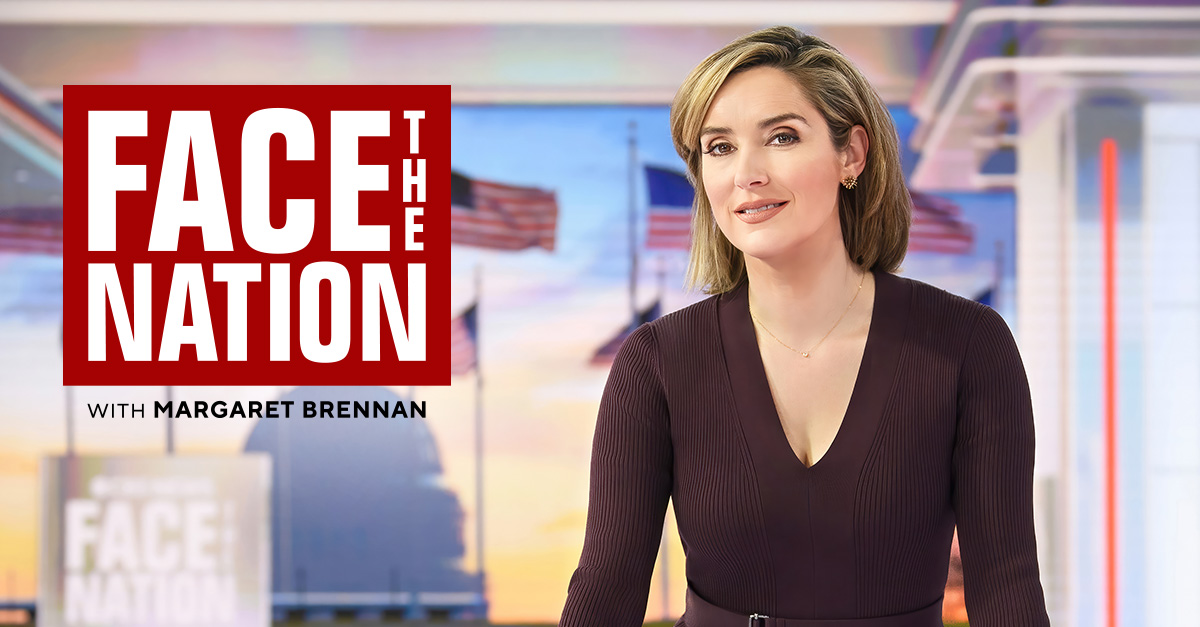
Today’s Face the Nation plays a crucial role in fostering political debate by bringing together guests with differing viewpoints. This encourages a healthy exchange of ideas and promotes a deeper understanding of the issues at hand.
The program’s panel discussions often feature individuals from various political backgrounds, including members of Congress, political strategists, and activists. This diversity of perspectives allows for a robust and inclusive debate, where guests are encouraged to challenge each other’s arguments and present evidence to support their viewpoints.
Research conducted by the American Press Institute suggests that political debates on television news programs can have a significant impact on public opinion. A study found that viewers who watched political debates on television were more likely to express a more positive view of the political process and to engage in political discussions with others.
Encouraging Civic Participation
Today’s Face the Nation also plays a role in encouraging civic participation by providing viewers with the knowledge and tools necessary to engage in the political process. By featuring interviews with experts and policymakers, the program empowers viewers to make informed decisions and participate actively in democratic governance.
The program often highlights the importance of civic engagement and encourages viewers to get involved in their communities. By showcasing successful civic initiatives and highlighting the impact of individual actions, Today’s Face the Nation inspires viewers to take action and make a difference.
Conclusion:
In conclusion, Today’s Face the Nation has a significant impact on public discourse and political engagement in the United States. By providing a platform for diverse viewpoints, fostering political debate, and encouraging civic participation, the program plays a crucial role in shaping public opinion and promoting informed decision-making. As the media landscape continues to evolve, the importance of programs like Today’s Face the Nation in fostering a well-informed and engaged citizenry cannot be overstated. Future research should continue to explore the impact of such programs on political communication and identify strategies to enhance their effectiveness in promoting democratic values and civic participation.




