



Introduction
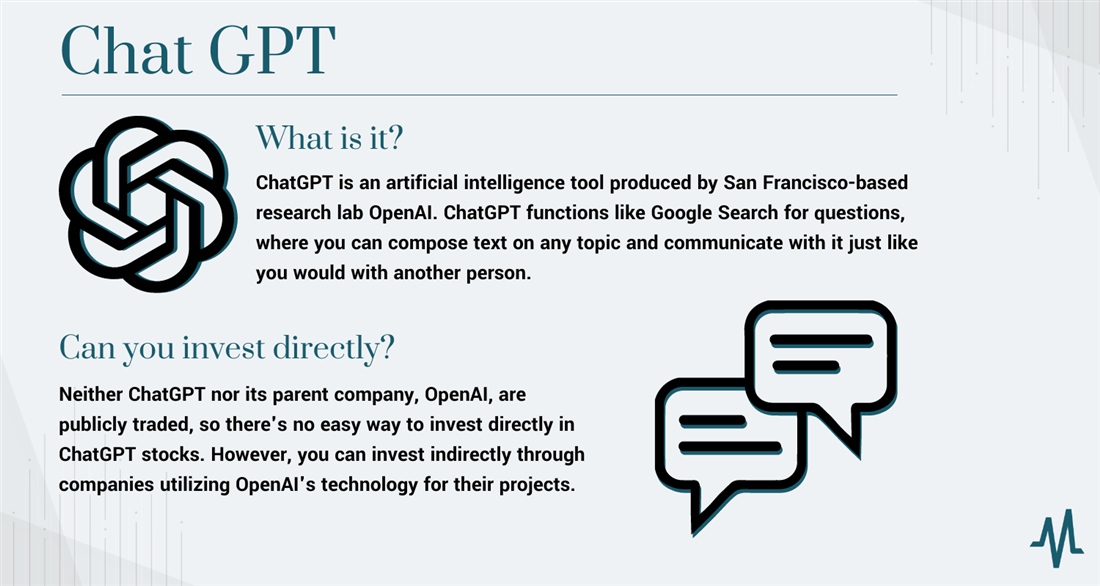
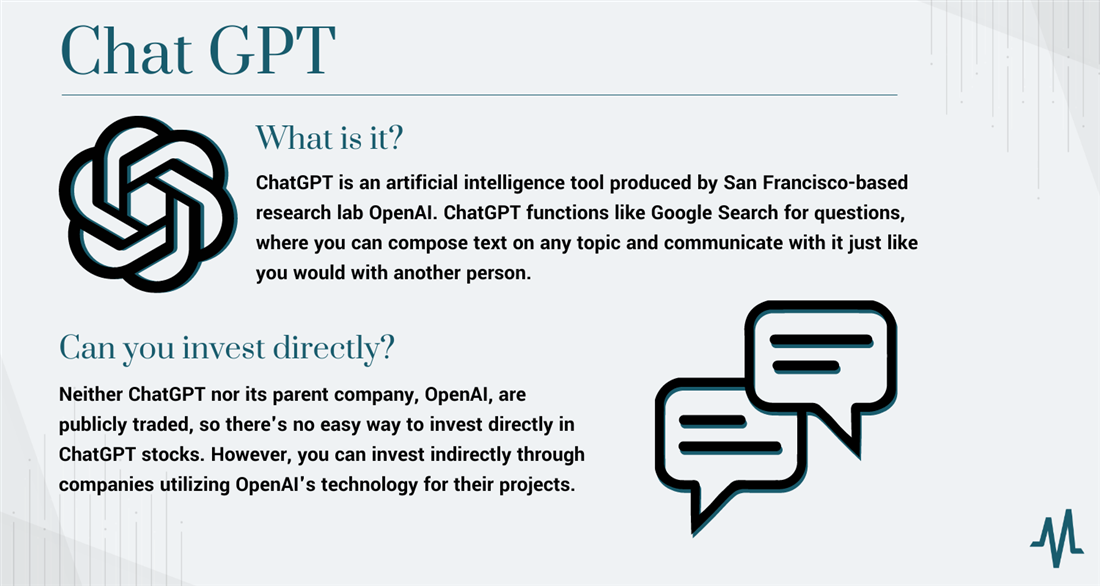
The rise of artificial intelligence (AI) has brought about significant advancements in various sectors, including language processing and natural language understanding. One of the most notable AI technologies is ChatGPT, developed by OpenAI. This article aims to explore whether ChatGPT is publicly traded, discussing its potential impact on the stock market and the broader implications of its status.
What is ChatGPT?
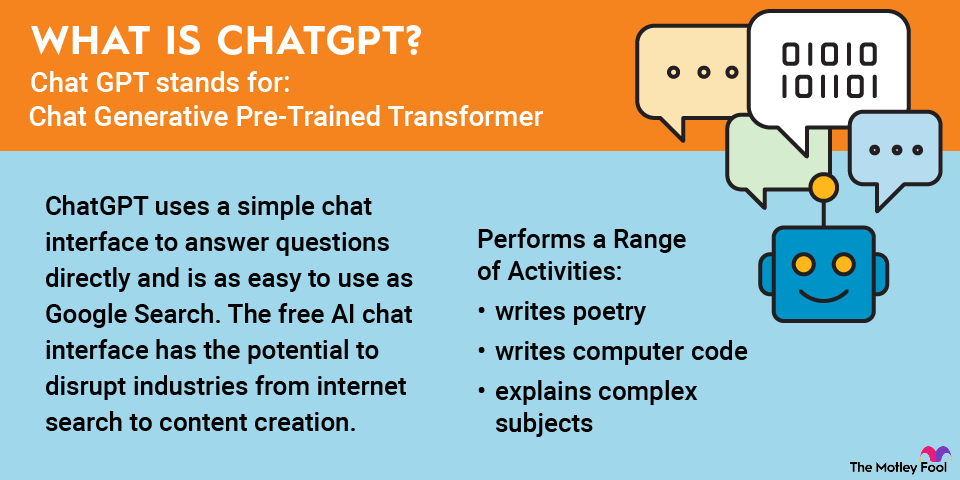
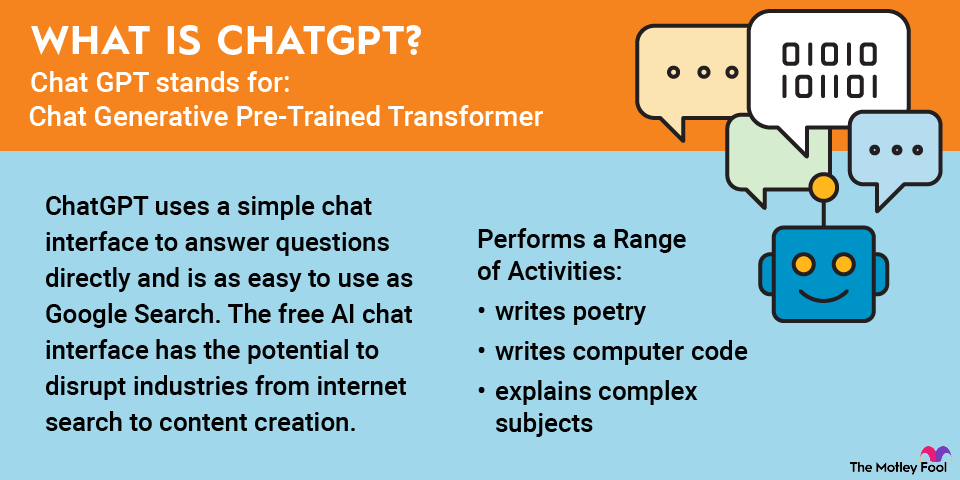
Before delving into the question of whether ChatGPT is publicly traded, it is essential to understand what ChatGPT is. ChatGPT is an AI chatbot based on the GPT-3.5 language model, which was developed by OpenAI. It is designed to engage in natural language conversations with users, providing information, answering questions, and offering assistance.
OpenAI and its Business Model
OpenAI, the company behind ChatGPT, is a research organization focused on developing and promoting AI. The company operates on a subscription-based business model, offering various AI tools and services to businesses and researchers. OpenAI does not have a public stock listing, which means it is not publicly traded.
The Publicly Traded Status of OpenAI
The question of whether ChatGPT is publicly traded largely hinges on the publicly traded status of OpenAI. As mentioned earlier, OpenAI is not publicly traded. This means that its products, including ChatGPT, are not directly tied to the stock market. However, the success and growth of OpenAI can indirectly impact the stock market through its partnerships, collaborations, and investments.
The Impact of ChatGPT on the Stock Market
Despite not being publicly traded, ChatGPT has the potential to influence the stock market in several ways:
1. Market Sentiment
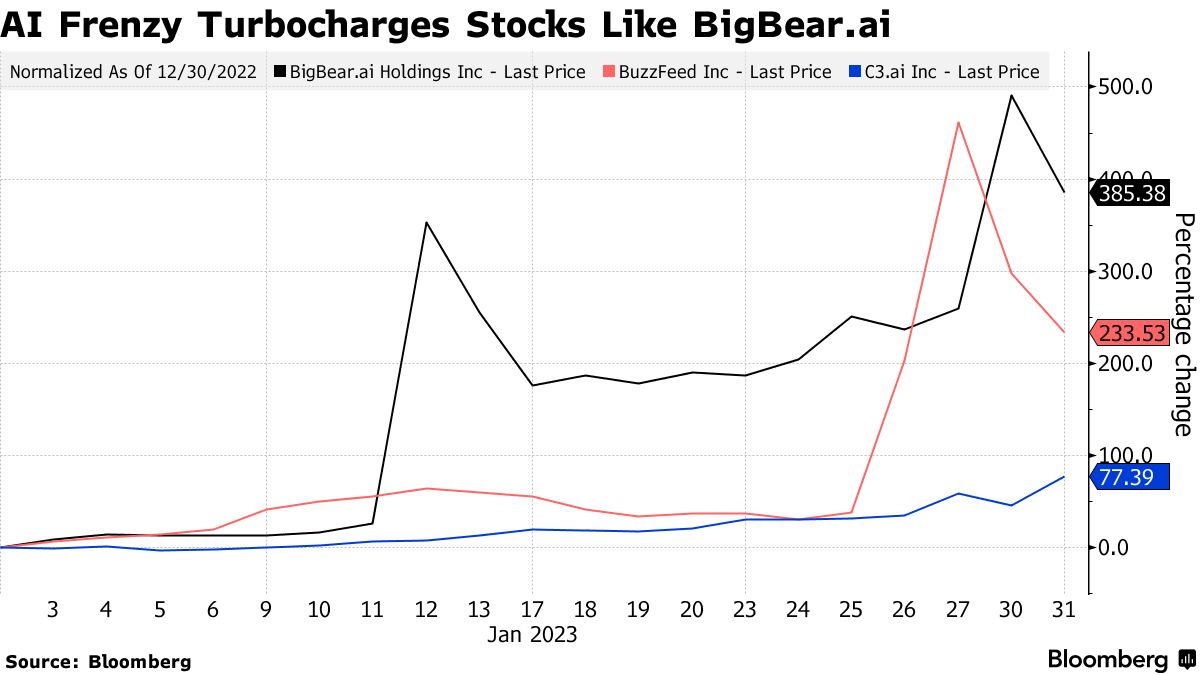
The introduction of ChatGPT has sparked a renewed interest in AI and its applications. This has led to increased investment in AI-related stocks, as investors seek to capitalize on the potential growth of the industry. The success of ChatGPT could further boost market sentiment and drive investment in AI companies.
2. Partnership and Acquisition Opportunities
OpenAI’s partnerships and collaborations with other companies can create opportunities for stock market growth. For instance, if a major tech company decides to acquire OpenAI or invest in its products, it could lead to a surge in the stock prices of both companies.
3. Regulatory and Policy Implications
The rise of AI technologies like ChatGPT has raised concerns about privacy, security, and ethical issues. These concerns can lead to regulatory changes and policy decisions that may impact the stock market. Companies that are well-positioned to adapt to these changes may see their stock prices rise.
The Broader Implications of ChatGPT’s Status
The publicly traded status of ChatGPT has broader implications for the AI industry and the stock market:
1. Transparency and Accountability
Publicly traded companies are subject to strict regulations and reporting requirements, ensuring transparency and accountability. If ChatGPT were publicly traded, it would be subject to these regulations, which could help mitigate potential risks and ensure responsible use of AI technology.
2. Access to Capital
Publicly traded companies have access to a broader pool of capital through the stock market. This can help fuel innovation and growth in the AI industry. However, the lack of a public stock listing for OpenAI may limit its ability to raise capital for large-scale projects.
3. Market Competition
The publicly traded status of ChatGPT could lead to increased competition in the AI industry. As more companies seek to capitalize on the potential of AI, the market may become more crowded, leading to a shift in market dynamics.
Conclusion
In conclusion, ChatGPT is not publicly traded, as its parent company, OpenAI, is not listed on any stock exchange. While this means that ChatGPT’s success does not directly impact the stock market, its potential to influence market sentiment, partnerships, and regulatory changes cannot be overlooked. The broader implications of ChatGPT’s status highlight the importance of transparency, accountability, and responsible innovation in the AI industry. As AI continues to evolve, it is crucial for stakeholders to stay informed and adapt to the changing landscape.




