



The 2024 DoorDash Lawsuit: A Comprehensive Analysis
Introduction
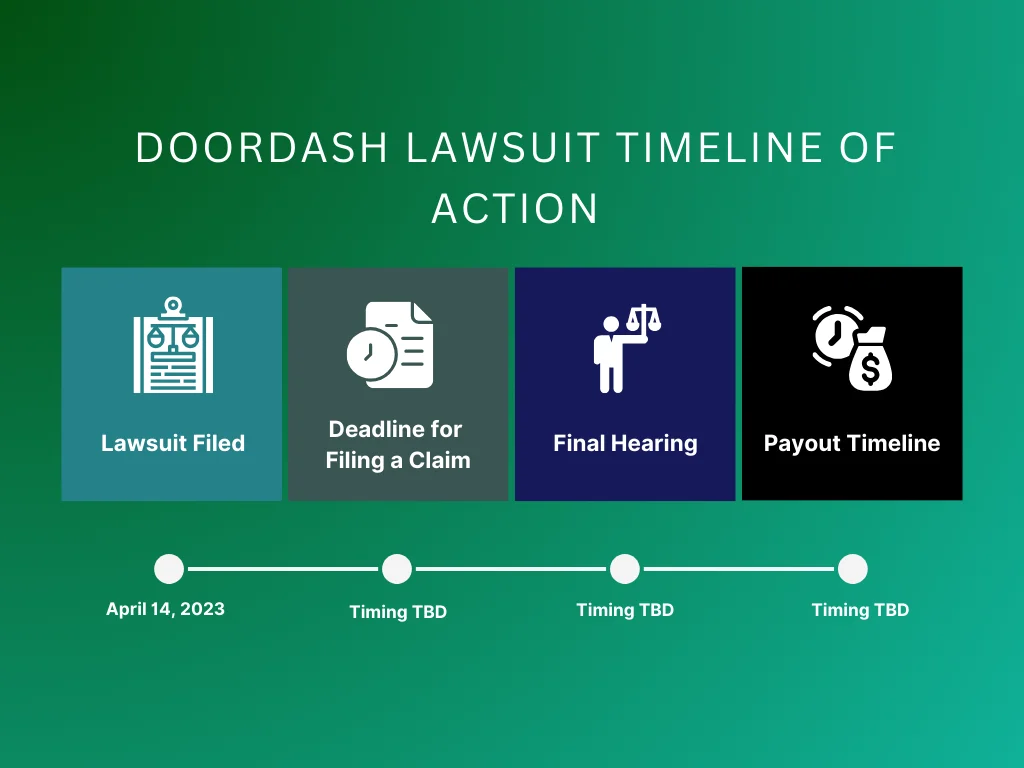
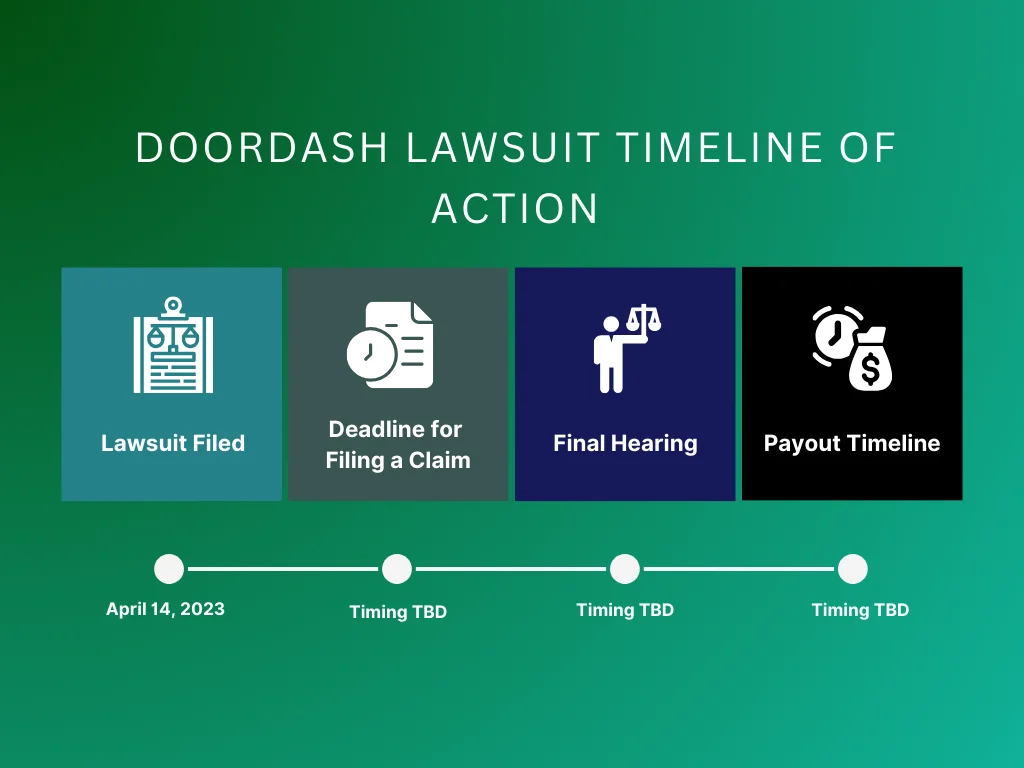
The rise of gig economy platforms like DoorDash has revolutionized the way people order food and the way delivery workers earn a living. However, this transformation has not been without its challenges and legal disputes. The 2024 DoorDash lawsuit is a significant case that has garnered attention from both the public and legal communities. This article aims to provide a comprehensive analysis of the lawsuit, examining its background, key issues, and potential implications for the gig economy.
Background of the 2024 DoorDash Lawsuit
1.1 The Gig Economy and DoorDash
The gig economy refers to a labor market characterized by the prevalence of short-term contracts or freelance work as opposed to permanent jobs. DoorDash, founded in 2013, is one of the leading food delivery platforms in the United States. It connects customers with local restaurants and delivery drivers, offering a convenient and efficient way to order food.
1.2 The Legal Dispute
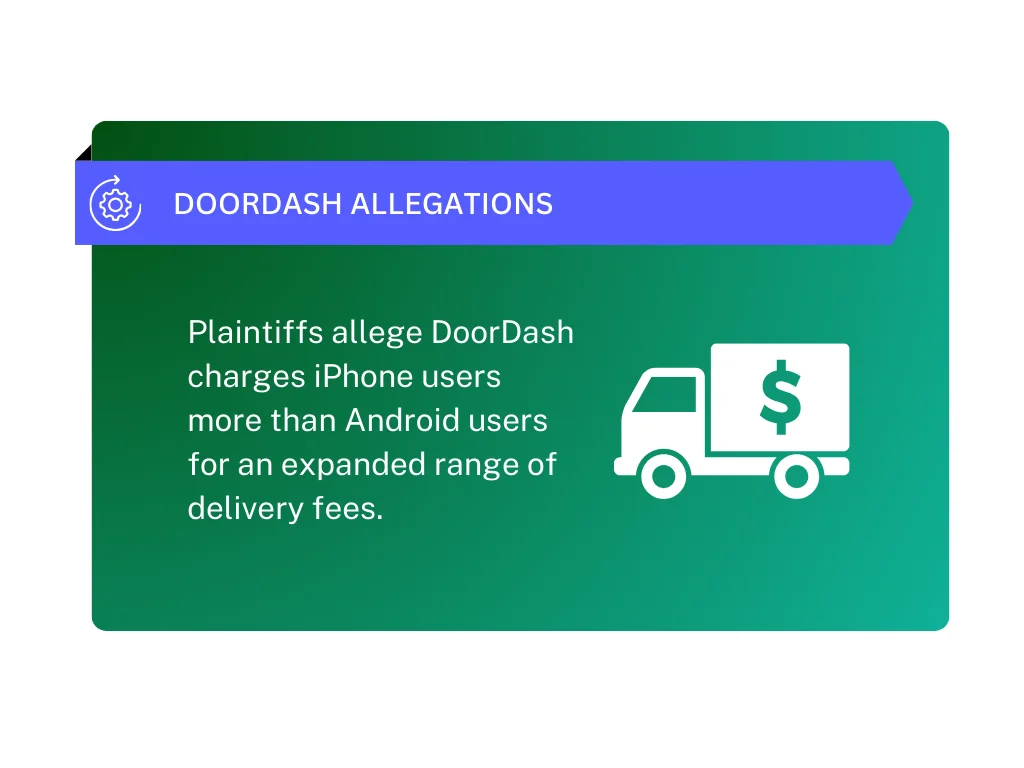
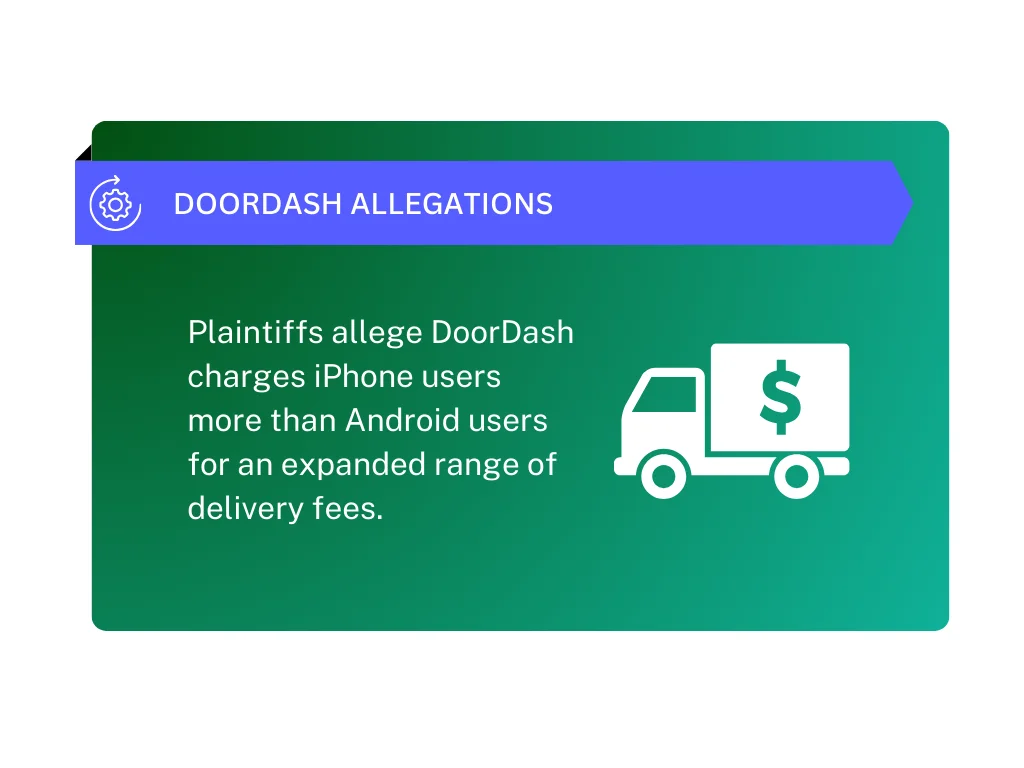
The 2024 DoorDash lawsuit revolves around the classification of delivery drivers as independent contractors rather than employees. This classification has significant implications for workers’ rights, benefits, and protections.
Key Issues in the 2024 DoorDash Lawsuit
2.1 Employee vs. Independent Contractor Classification
The central issue in the lawsuit is whether DoorDash’s delivery drivers should be classified as employees or independent contractors. This classification determines the legal obligations and rights of the workers.
2.2 Workers’ Rights and Protections
If the drivers are classified as employees, they would be entitled to benefits such as minimum wage, overtime pay, and workers’ compensation. However, as independent contractors, they would not have these protections.
2.3 Impact on DoorDash’s Business Model
The lawsuit could have a significant impact on DoorDash’s business model, potentially leading to increased costs and changes in how the company operates.
Evidence and Arguments
3.1 Evidence Supporting Employee Classification
Several pieces of evidence support the argument that DoorDash’s delivery drivers should be classified as employees. These include:
– Control Over Work: DoorDash exercises significant control over the drivers, dictating their schedules, routes, and the types of orders they can accept.
– Investment in Equipment: Drivers are required to invest in their own vehicles and delivery equipment, which is a characteristic of employment rather than independent contracting.
– Integration: Drivers are an integral part of DoorDash’s business, contributing to its success and growth.
3.2 Arguments Against Employee Classification
DoorDash and other gig economy companies argue that classifying drivers as employees would be detrimental to their business models. They claim that:
– Flexibility: Independent contractors offer flexibility to both the company and the workers, allowing for more personalized work arrangements.
– Cost: Employee benefits and protections would increase the cost of operations, potentially leading to higher prices for customers.
Legal Precedents and Similar Cases
4.1 Legal Precedents
The 2024 DoorDash lawsuit is not the first of its kind. Similar cases have been filed against other gig economy companies, such as Uber and Lyft. The outcomes of these cases have set important legal precedents.
4.2 Similar Cases
The 2024 DoorDash lawsuit shares similarities with the 2019 Uber and Lyft lawsuits, which resulted in the companies reclassifying their drivers as employees in certain jurisdictions. These cases indicate a growing trend towards reevaluating the classification of gig economy workers.
Potential Implications
5.1 Impact on the Gig Economy
The outcome of the 2024 DoorDash lawsuit could have far-reaching implications for the gig economy. If the drivers are classified as employees, it could lead to a shift in how gig economy companies operate, potentially reducing the flexibility and autonomy of workers.
5.2 Consumer Impact
The lawsuit could also affect consumers, potentially leading to higher prices for food delivery services and changes in the availability of gig economy platforms.
Conclusion
The 2024 DoorDash lawsuit is a critical case that could reshape the gig economy. The classification of delivery drivers as employees or independent contractors has significant implications for workers’ rights, the business models of gig economy companies, and consumers. As the lawsuit progresses, it will be important to monitor the legal arguments, evidence, and potential outcomes to understand the full impact of this case on the gig economy.
Recommendations and Future Research
The 2024 DoorDash lawsuit highlights the need for a comprehensive review of gig economy regulations and worker classification. Here are some recommendations and potential future research directions:
– Legislative Reforms: Governments should consider implementing new laws that address the unique challenges of the gig economy, ensuring fair treatment of workers while allowing for flexibility and innovation.
– Industry Standards: Gig economy companies should establish industry-wide standards for worker classification and benefits, promoting transparency and accountability.
– Research on Gig Economy Workers: Future research should focus on the well-being and experiences of gig economy workers, providing insights into the impact of classification on their lives.
The 2024 DoorDash lawsuit is a pivotal moment in the ongoing debate over the future of the gig economy. Its resolution will likely have lasting effects on both workers and consumers, shaping the landscape of modern employment.




