
The Influence of the Biggest News Networks on Global Information Flow
Introduction
In the digital age, the role of news networks has become more significant than ever. The biggest news networks, with their vast reach and influence, shape the way information is disseminated and consumed across the globe. This article explores the impact of these networks, their role in shaping public opinion, and the challenges they face in an increasingly interconnected world.
The Rise of the Biggest News Networks
The Global Reach of the Biggest News Networks
The biggest news networks, such as CNN, BBC, and Al Jazeera, have a global footprint that extends far beyond their home countries. They have the resources and technology to report on events from around the world, providing audiences with a diverse range of perspectives. This global reach has been further enhanced by the advent of the internet and social media, which have allowed these networks to reach audiences in real-time.
Market Dominance and Financial Power
The biggest news networks are not only influential in terms of content but also financially powerful. They command significant advertising revenue and have the ability to invest in cutting-edge technology and talent. This financial muscle allows them to compete with one another and maintain their dominance in the industry.
The Role of the Biggest News Networks in Shaping Public Opinion
News as a Public Good
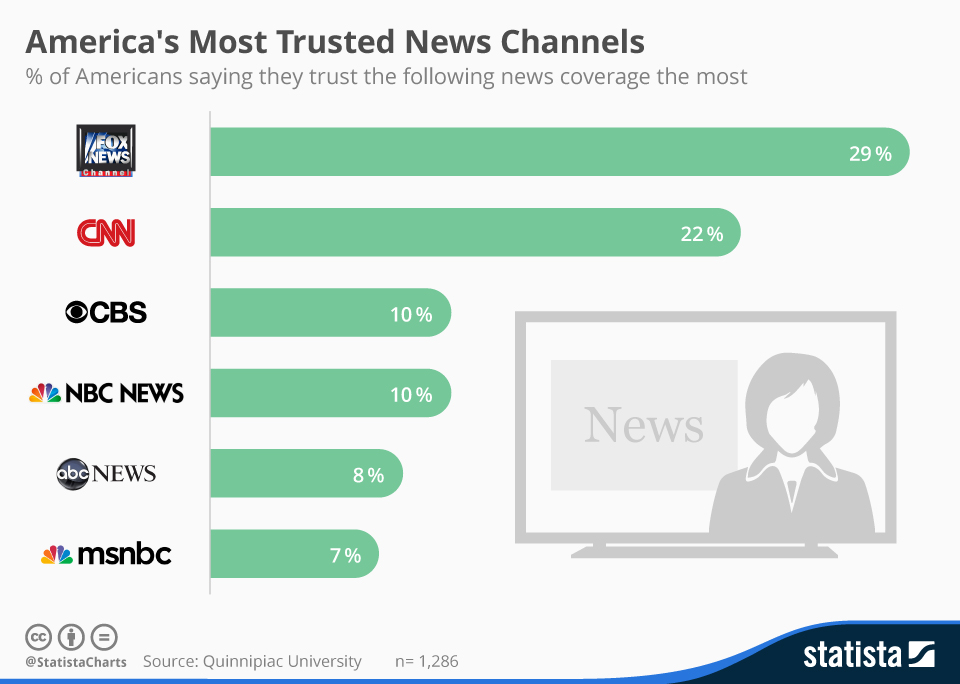
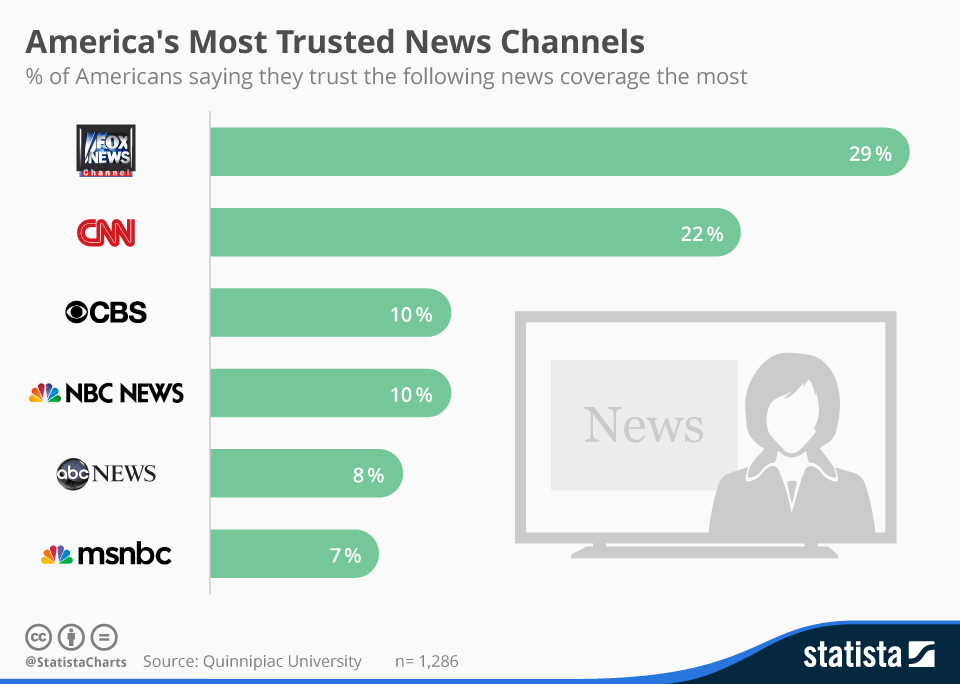
The biggest news networks often position themselves as guardians of the public interest, providing news that is accurate, unbiased, and informative. They argue that their role is to inform the public and hold those in power accountable. However, critics argue that these networks sometimes prioritize ratings and sensationalism over the public good.
Shaping Public Discourse
The content produced by the biggest news networks has a significant impact on public discourse. The stories they choose to cover, the way they frame events, and the voices they amplify can shape public opinion and influence political and social movements. This power is not without its risks, as it can also lead to the spread of misinformation and the marginalization of certain viewpoints.
Challenges and Controversies
The Spread of Misinformation
One of the biggest challenges facing the biggest news networks is the spread of misinformation. With the rise of fake news and alternative facts, these networks must navigate a landscape where the line between truth and fiction is increasingly blurred. This challenge is compounded by the rapid pace at which information travels on social media platforms.
Political Influence and Bias
Another controversy surrounding the biggest news networks is the potential for political influence and bias. Critics argue that these networks may have hidden agendas or may be influenced by political or corporate interests. While these networks often claim to be objective, the perception of bias can undermine their credibility.
The Future of the Biggest News Networks
Adapting to the Digital Age
The biggest news networks must adapt to the digital age to remain relevant. This means embracing new technologies, such as artificial intelligence and virtual reality, and finding ways to engage with audiences in new and innovative ways. It also means addressing the challenges of misinformation and bias head-on.

The Role of Audience Engagement
The future of the biggest news networks will depend, in part, on their ability to engage with their audiences. This means not only providing quality content but also fostering a sense of community and trust. By encouraging audience participation and feedback, these networks can build a loyal following that values their journalism.
Conclusion
The biggest news networks play a crucial role in shaping global information flow. Their influence extends beyond the newsroom, impacting public opinion, political discourse, and social movements. While they face challenges such as the spread of misinformation and the potential for bias, their ability to adapt and engage with audiences will determine their future success. As we continue to navigate the complexities of the digital age, the role of these networks will remain a critical area of study and debate.
Recommendations and Future Research
To ensure the continued integrity and relevance of the biggest news networks, the following recommendations are proposed:
1. Invest in Fact-Checking and Verification: To combat the spread of misinformation, these networks should allocate resources to robust fact-checking and verification processes.
2. Promote Diversity and Inclusion: To reflect the diversity of the global audience, these networks should prioritize hiring and content that represent a wide range of perspectives and experiences.
3. Engage in Public Discourse: These networks should actively engage in public discourse, encouraging dialogue and debate on important issues.
Future research should focus on the following areas:
1. The Impact of Social Media on News Consumption: Investigating how social media platforms influence the content and consumption patterns of the biggest news networks.

2. The Role of AI in News Production: Exploring the ethical implications and potential benefits of using artificial intelligence in news reporting and content creation.
3. Global News Standards: Developing and promoting global standards for news reporting that prioritize accuracy, fairness, and accountability.