
Title: The Role of AI in Information Management: A Comprehensive Analysis
Introduction
In today’s digital age, the volume of information available to individuals and organizations is overwhelming. The rapid growth of data has led to the emergence of new challenges in information management. Artificial intelligence (AI) has emerged as a powerful tool to address these challenges. This article aims to explore the role of AI in information management, highlighting its benefits, limitations, and future prospects.
Understanding AI and Information Management
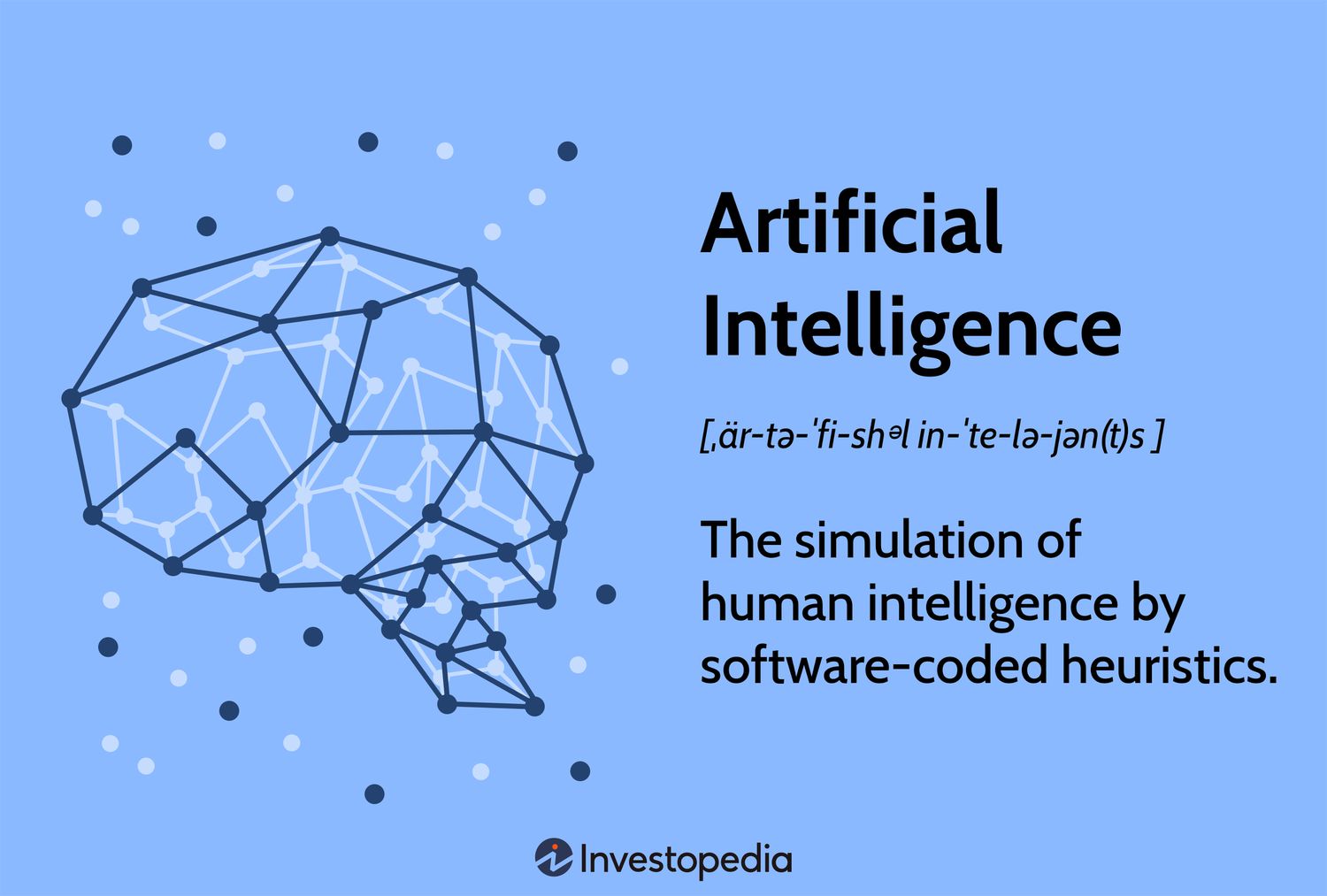
Artificial intelligence refers to the simulation of human intelligence in machines that are programmed to think like humans and mimic their actions. Information management, on the other hand, involves the collection, organization, storage, and dissemination of information to support decision-making processes. The integration of AI into information management has revolutionized the way organizations handle data, making it more efficient and effective.
The Benefits of AI in Information Management
One of the primary benefits of AI in information management is its ability to process vast amounts of data at a much faster rate than humans. AI algorithms can analyze large datasets, identify patterns, and extract valuable insights, enabling organizations to make data-driven decisions. This capability is particularly valuable in industries such as finance, healthcare, and marketing, where data-driven insights can lead to significant improvements in performance.
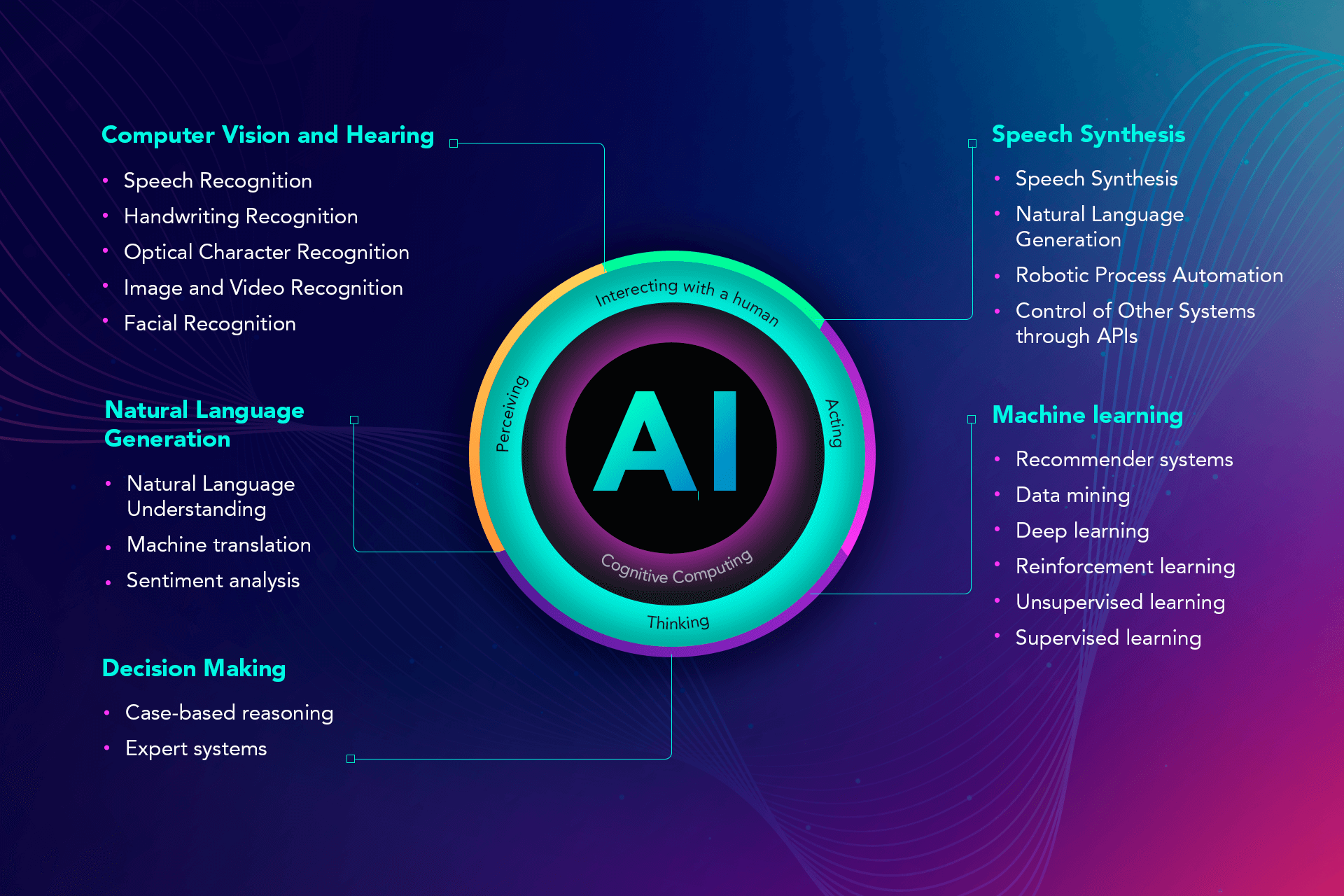
Another advantage of AI in information management is its ability to automate repetitive tasks, freeing up human resources for more complex and strategic activities. For example, AI can be used to automate data entry, data cleaning, and data analysis, reducing the time and effort required to manage information. This not only improves efficiency but also reduces the risk of human error.
The Limitations of AI in Information Management
Despite its numerous benefits, AI in information management is not without limitations. One of the main challenges is the potential for bias in AI algorithms. If the data used to train AI systems is biased, the resulting insights and decisions may also be biased, leading to unfair outcomes. This is a significant concern in areas such as hiring, lending, and law enforcement, where AI systems are increasingly being used to make decisions that can have a profound impact on individuals’ lives.
Another limitation of AI in information management is its lack of understanding of context. While AI can analyze data and identify patterns, it may not always understand the context in which the data exists. This can lead to misinterpretation of information and poor decision-making.
Case Studies: AI in Information Management
Several case studies demonstrate the effectiveness of AI in information management. For instance, Google’s AI-powered search engine uses machine learning algorithms to understand the intent behind a user’s query and provide relevant search results. Similarly, IBM’s Watson for Health uses AI to analyze medical records and identify potential treatment options for patients.
In the financial sector, AI is being used to detect fraudulent transactions in real-time. By analyzing patterns in transaction data, AI systems can identify suspicious activities and alert financial institutions to potential fraud. This has significantly reduced the incidence of fraud and improved the security of financial transactions.
The Future of AI in Information Management
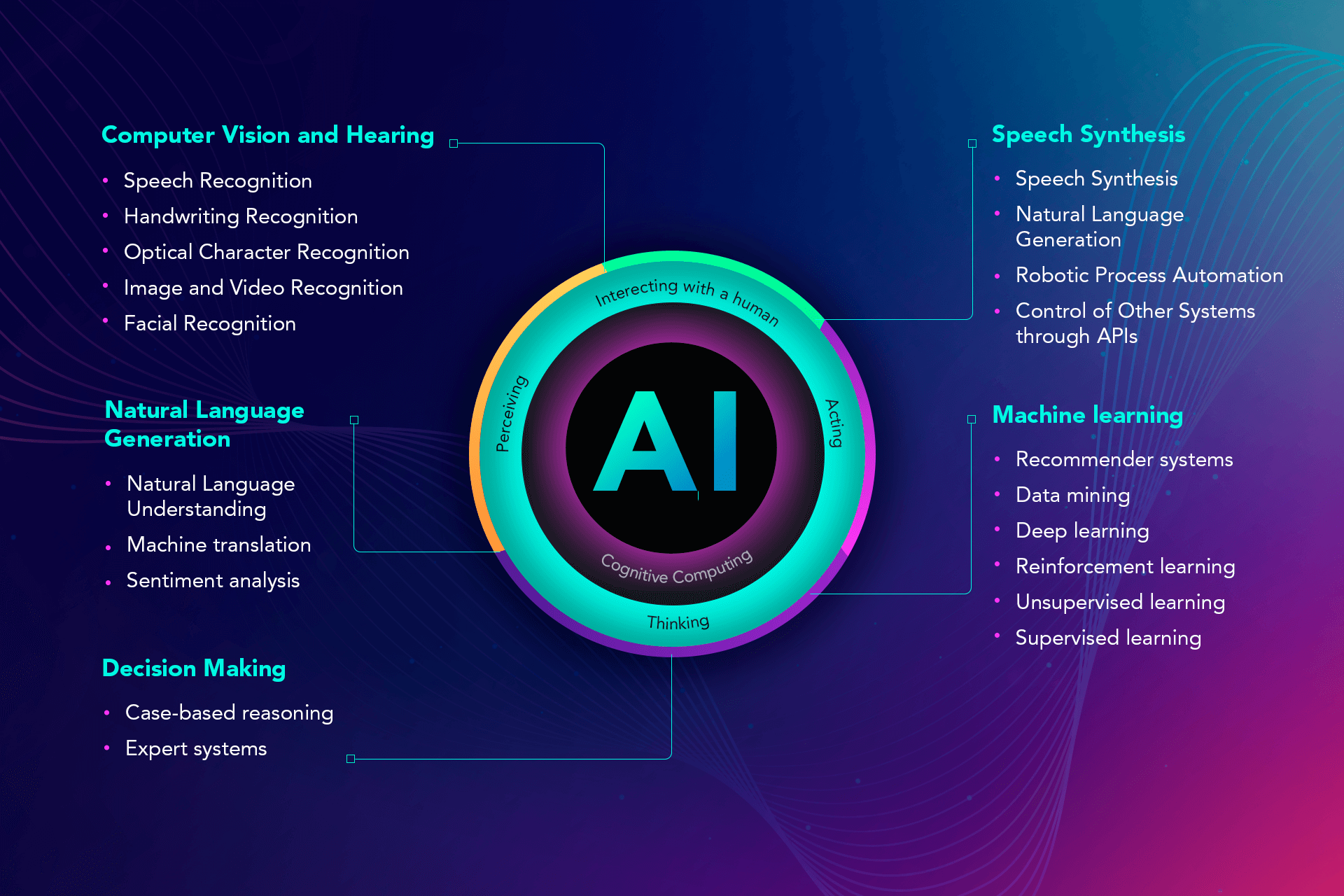
The future of AI in information management looks promising. As AI technology continues to evolve, we can expect to see even more sophisticated applications of AI in information management. Some potential future developments include:
1. Enhanced natural language processing (NLP) capabilities, enabling AI systems to understand and generate human-like language.
2. Improved AI algorithms that can handle more complex and nuanced data, leading to more accurate insights.
3. Increased collaboration between AI systems and humans, enabling organizations to leverage the strengths of both.
Conclusion
In conclusion, AI has emerged as a powerful tool in information management, offering numerous benefits and opportunities for organizations. However, it is essential to address the limitations and challenges associated with AI to ensure that its use in information management is ethical, fair, and effective. As AI technology continues to evolve, it is crucial for organizations to stay informed and adapt to the changing landscape of information management.
By leveraging the strengths of AI, organizations can improve their information management processes, make data-driven decisions, and gain a competitive edge in their respective industries. As AI continues to play a significant role in information management, it is essential to monitor its development and ensure that it is used responsibly and ethically.