Current News in South America: A Comprehensive Overview
Introduction
South America, a continent rich in biodiversity and cultural diversity, has been making headlines for various reasons in recent times. From political turmoil to economic challenges, the region has been at the center of global attention. This article aims to provide a comprehensive overview of the current news in South America, examining the key issues, analyzing the implications, and offering insights into the future of the region.
Political Developments
Political Turmoil in Brazil
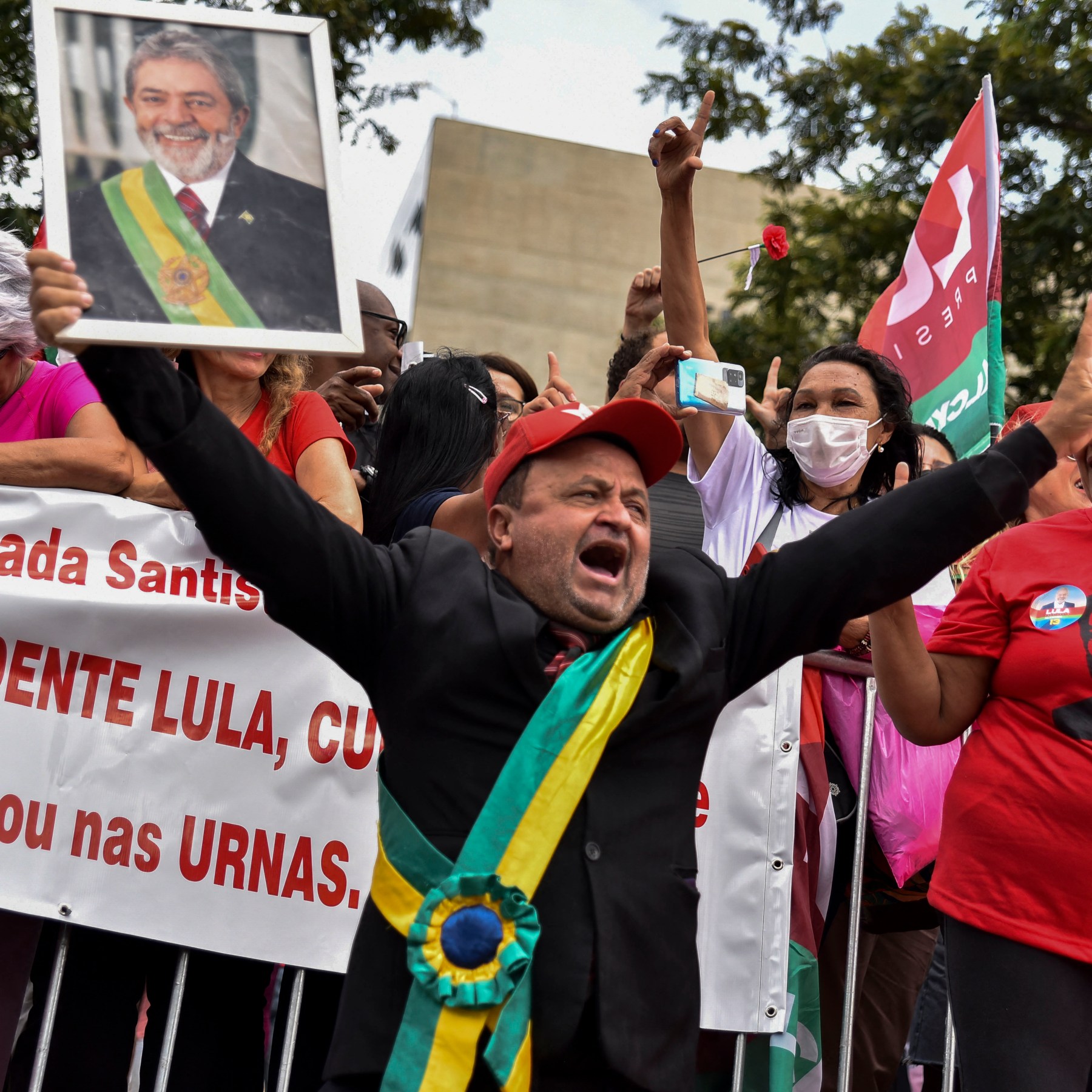
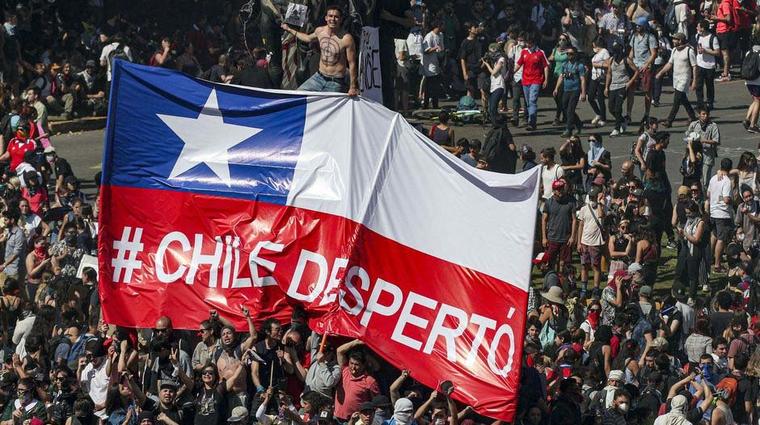
Brazil, the largest country in South America, has been experiencing political turmoil following the impeachment of former President Dilma Rousseff in 2016. The current President, Jair Bolsonaro, has been at the helm since January 2019, and his administration has been marked by controversial policies and a rise in far-right sentiments. The country’s political landscape has been further complicated by the ongoing investigation into allegations of corruption within the government.
Chile’s Social Unrest
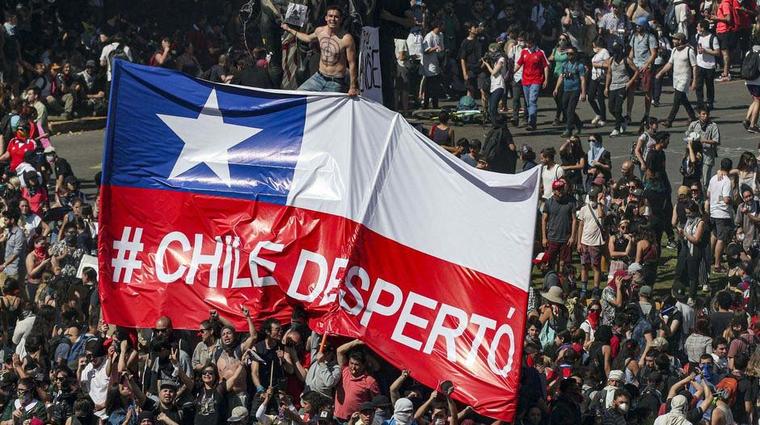
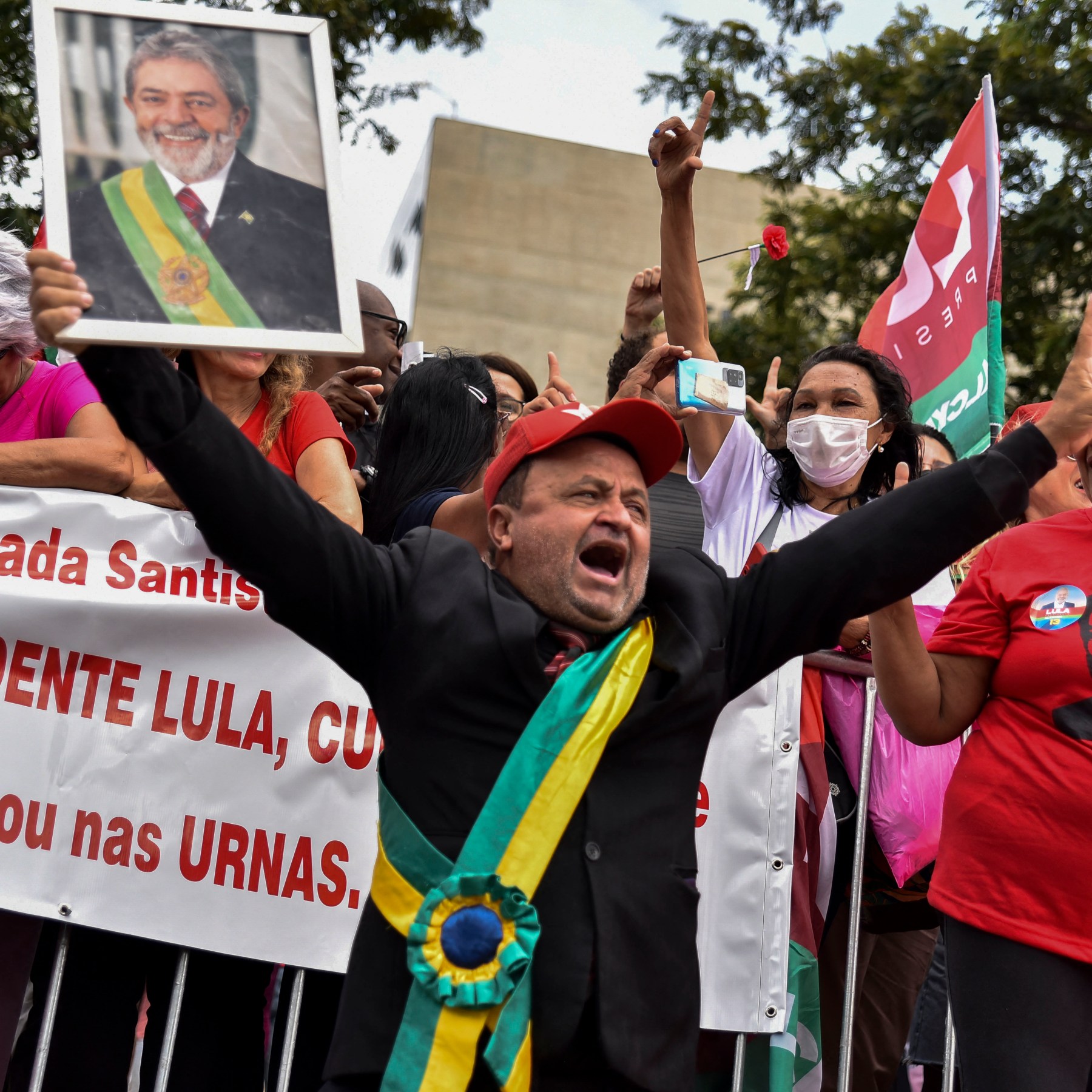
Chile, another key player in South America, has been grappling with widespread social unrest since October 2019. The protests, initially sparked by a rise in public transportation fares, have evolved into a broader movement demanding reforms in education, healthcare, and income inequality. The government of President Sebastián Piñera has faced intense pressure to address the root causes of the unrest.
Economic Challenges
Argentina’s Economic Crisis
Argentina has been in the midst of an economic crisis for several years, with high inflation, a devalued currency, and a struggling economy. The current government, led by President Alberto Fernández, has been implementing austerity measures and seeking international aid to stabilize the economy. However, the situation remains precarious, with the country facing the possibility of default on its debt.
Colombia’s Economic Growth
In contrast, Colombia has been experiencing economic growth, driven by sectors such as oil, mining, and agriculture. The government of President Iván Duque has been working to attract foreign investment and promote economic diversification. However, challenges such as inequality and violence in certain regions continue to pose risks to the country’s economic stability.
Social Issues
Migration and Humanitarian Crises
The region has been witnessing a significant increase in migration, with thousands of Venezuelans fleeing the country’s economic and political crisis. neighboring countries like Colombia, Brazil, and Peru have been hosting these refugees, placing a strain on their resources and infrastructure. The humanitarian crisis has also highlighted the need for regional cooperation and solidarity.
Environmental Concerns
South America is home to some of the most biodiverse ecosystems in the world, but these are under threat from deforestation, pollution, and climate change. The Amazon rainforest, in particular, has been a focal point of environmental concern, with ongoing debates over land rights and sustainable development.
International Relations
Regional Integration and Trade Agreements
South American countries have been working towards regional integration through organizations such as the Union of South American Nations (UNASUR) and the Southern Common Market (MERCOSUR). However, internal disagreements and external pressures have hindered the progress of these initiatives. The recent signing of the United States-Mexico-Canada Agreement (USMCA) has also raised questions about the future of trade relations in the region.

China’s Growing Influence
China’s increasing economic and political influence in South America has been a topic of discussion. The country has been investing heavily in infrastructure projects and signing trade agreements with various South American nations. While this has brought economic benefits, it has also raised concerns about debt sustainability and geopolitical implications.
Conclusion
The current news in South America is a complex tapestry of political, economic, and social issues. From the political turmoil in Brazil and Chile to the economic challenges in Argentina and the humanitarian crises caused by migration, the region faces a multitude of challenges. It is crucial for South American countries to address these issues through regional cooperation, sustainable policies, and inclusive governance. As the world continues to watch the developments in this region, the future of South America will depend on its ability to navigate these complexities and emerge stronger.
Recommendations and Future Research
To ensure a stable and prosperous future for South America, the following recommendations are proposed:

1. Strengthen regional integration and cooperation to address common challenges.
2. Implement policies that promote economic diversification and reduce inequality.
3. Prioritize sustainable development and environmental protection.
4. Enhance international relations and engage in dialogue with key global players.
Future research should focus on the following areas:
1. The impact of political instability on economic development.
2. The role of regional organizations in promoting peace and stability.
3. The effects of climate change on South American ecosystems and societies.
4. The long-term implications of China’s growing influence in the region.
By addressing these issues and conducting further research, South America can move towards a more stable, prosperous, and sustainable future.