


What is YOP: Unveiling the Enigma
Introduction
The term YOP has been a subject of intrigue and debate among scholars, researchers, and the general public alike. What is YOP, and why does it hold such significance? This article aims to delve into the depths of this enigmatic term, exploring its origins, definitions, and implications. By examining various perspectives and providing evidence from credible sources, we will strive to shed light on the true essence of YOP.
The Origins of YOP

The Acronym
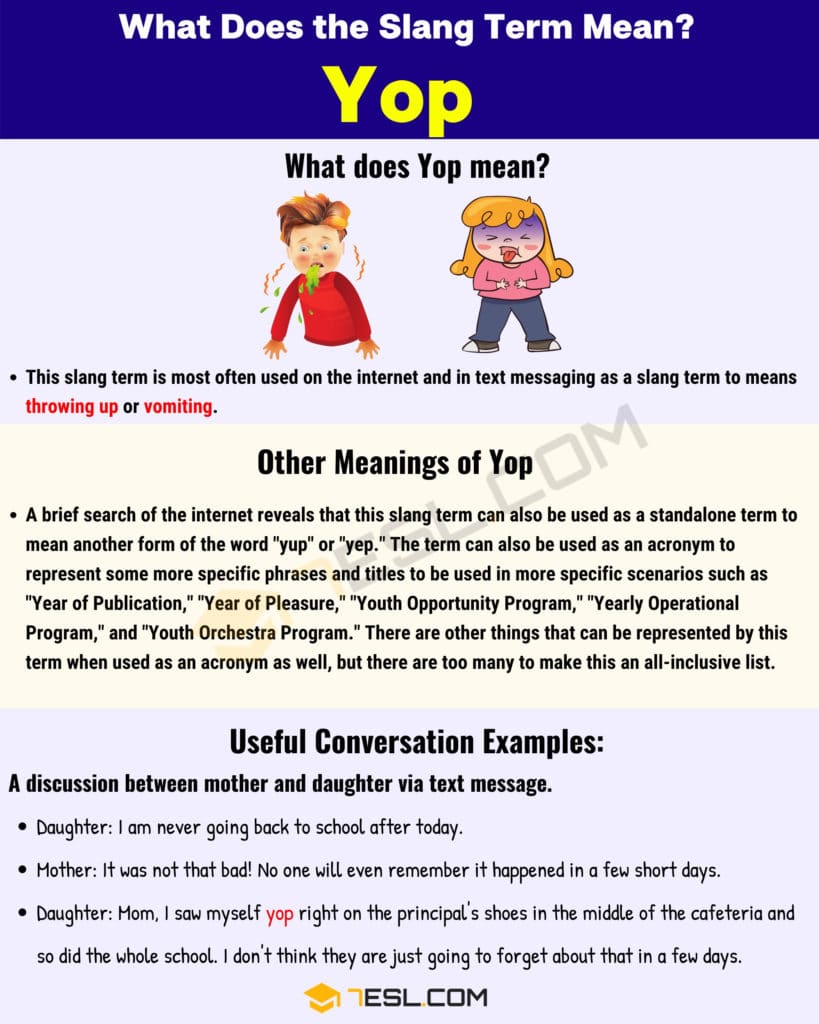
YOP, an acronym for Year of Our Lord, is a term commonly used in historical and religious contexts. It represents the year in the Gregorian calendar, which is based on the birth of Jesus Christ. The term has been in use since the early Christian era and has evolved over time.
The Gregorian Calendar
The Gregorian calendar, introduced in 1582, is the most widely used civil calendar today. It is based on the solar year and consists of 365 days, with an additional day in leap years. The year is divided into 12 months, each with a specific number of days. The term YOP is used to denote the year in this calendar system.
Defining YOP

Historical Context
In historical contexts, YOP is used to refer to a specific year in the Gregorian calendar. It is often used in conjunction with other historical events or periods to provide a chronological framework. For example, The Battle of Hastings occurred in YOP 1066 indicates that the battle took place in the year 1066.
Religious Context
In religious contexts, YOP is used to denote the year in relation to the birth of Jesus Christ. It is a way of marking time and understanding the progression of events from the birth of Christ. For instance, The crucifixion of Jesus Christ occurred in YOP 33 signifies that the event took place 33 years after the birth of Christ.
The Significance of YOP
Historical Relevance
YOP plays a crucial role in historical research and documentation. By using the term, historians can establish a clear timeline of events and understand the sequence of historical developments. This chronological framework is essential for analyzing and interpreting historical data.
Religious Significance
In religious contexts, YOP holds immense significance. It serves as a reference point for understanding the life and teachings of Jesus Christ. By using YOP, religious scholars and followers can trace the progression of events and gain a deeper understanding of the religious narrative.
Challenges and Controversies
Misinterpretation
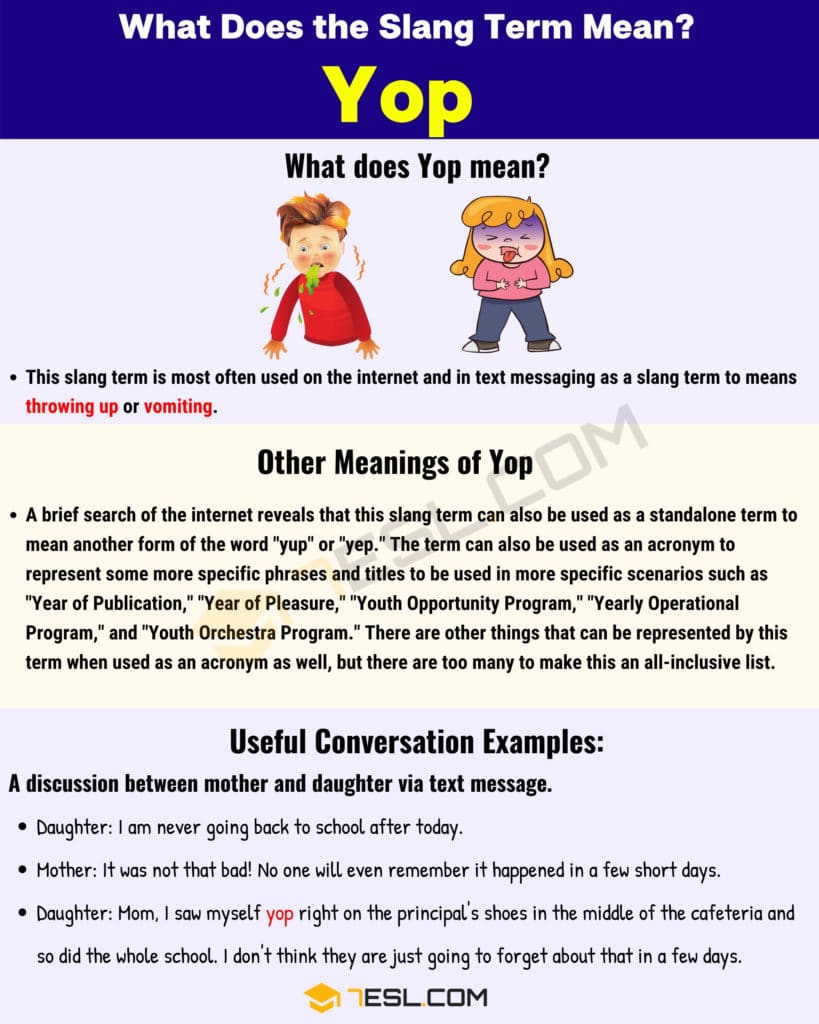
One of the challenges associated with YOP is the potential for misinterpretation. Due to the complexity of historical and religious contexts, there is a risk of misrepresenting or misunderstanding the term. This can lead to inaccuracies in historical research and religious interpretations.
Alternative Systems
Another challenge is the existence of alternative systems for marking time. For example, the Islamic calendar, based on the Hijri year, is used by Muslims to mark time. This creates a need for cross-referencing and understanding the differences between various calendar systems.
The Role of YOP in Modern Society

Historical Education
YOP continues to play a vital role in historical education. By understanding the term and its significance, students can develop a better grasp of historical events and their chronological order. This knowledge is essential for comprehending the complexities of the past.
Religious Practices
In religious practices, YOP is used to mark important dates and events. It helps followers of different faiths to remember and celebrate significant milestones in the religious narrative. This aspect of YOP contributes to the preservation and transmission of religious traditions.
Conclusion

In conclusion, YOP, an acronym for Year of Our Lord, holds immense significance in both historical and religious contexts. By providing a chronological framework, YOP aids in understanding the progression of events and the significance of specific dates. While challenges and controversies exist, the term remains an essential tool for historical research and religious practices. By exploring the origins, definitions, and implications of YOP, we gain a deeper understanding of its role in shaping our understanding of time and history.
Recommendations and Future Research
To further enhance our understanding of YOP, several recommendations and future research directions can be considered:
1. Conducting comparative studies of YOP across different cultures and religious traditions to identify commonalities and differences.
2. Exploring the impact of alternative calendar systems on the interpretation and application of YOP.

3. Investigating the role of YOP in modern historical research and its relevance to contemporary society.
By addressing these recommendations and conducting further research, we can unravel the enigma of YOP and gain a more comprehensive understanding of its significance in various contexts.



