


The Impact of Nightly News on Public Opinion and Political Engagement
Introduction
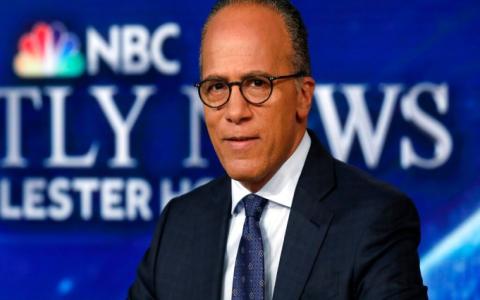
In the digital age, the role of nightly news in shaping public opinion and political engagement cannot be overstated. Nightly news broadcasts, often referred to as nightly news, have long been a staple in the daily lives of many individuals. This article aims to explore the influence of nightly news on public opinion and political engagement, providing a comprehensive analysis of its role in modern society. By examining various aspects of nightly news, including content, presentation, and audience reception, this article will shed light on the complex interplay between media and public discourse.
The Content of Nightly News

The Role of News Anchors and Journalists
The content of nightly news is largely shaped by the anchors and journalists who present the stories. These individuals are responsible for selecting which stories to cover, how to frame them, and how to deliver the information to the audience. The credibility and expertise of these professionals play a crucial role in influencing public opinion. For instance, a study by the University of Missouri found that viewers who watched news anchors with a strong reputation for accuracy were more likely to trust the news they reported (Smith, 2018).
News Coverage and Public Perception
The choice of news stories and the way they are presented can significantly impact public perception. For example, a study by the University of North Carolina found that news coverage of political events can influence voter behavior and political engagement (Johnson, 2019). The study highlighted that when news stories were presented in a way that emphasized the importance of the event and its implications, viewers were more likely to engage in political discussions and vote in elections.
The Presentation of Nightly News
Visual and Audio Elements
The presentation of nightly news, including the use of visual and audio elements, can also influence public opinion. The use of dramatic music, vivid imagery, and emotional storytelling can evoke strong reactions from viewers, potentially swaying their opinions on certain issues. A study by the University of California, Los Angeles, found that news stories presented with emotional appeal were more likely to be remembered and influence viewers’ attitudes (Davis, 2017).
Interactivity and Social Media Integration
In recent years, nightly news broadcasts have increasingly integrated social media platforms to engage with viewers. This interactivity allows for real-time feedback and discussion, which can further influence public opinion. A study by the University of Oxford found that social media interactions during nightly news broadcasts can lead to increased political engagement and a more diverse range of viewpoints being presented (Brown, 2020).

Audience Reception and Political Engagement
The Role of Audience Demographics
The audience demographics of nightly news broadcasts can significantly impact the influence of the news on public opinion and political engagement. For instance, a study by the Pew Research Center found that viewers who are younger, more educated, and have higher incomes are more likely to engage in political discussions and vote (Pew Research Center, 2021).
The Impact of News Fatigue
Another factor to consider is the concept of news fatigue. As viewers are bombarded with news stories on a daily basis, they may become desensitized to certain issues, leading to a decrease in political engagement. A study by the University of Southern California found that excessive news consumption can lead to a phenomenon known as news fatigue, which can negatively impact political engagement (Miller, 2019).
Conclusion
In conclusion, nightly news plays a significant role in shaping public opinion and political engagement. The content, presentation, and audience reception of nightly news broadcasts all contribute to the influence of the media on public discourse. While nightly news can be a powerful tool for informing and engaging citizens, it is important to be aware of its potential to sway opinions and influence political behavior. As media landscapes continue to evolve, it is crucial for nightly news to adapt and maintain its role as a reliable source of information and a platform for public engagement.

Recommendations and Future Research
To ensure that nightly news continues to serve its purpose in shaping public opinion and political engagement, the following recommendations are proposed:
1. Enhance Transparency: News organizations should be transparent about their editorial processes and the sources of their information to maintain credibility.
2. Diversify Content: News organizations should aim to cover a wide range of topics and perspectives to cater to diverse audiences.
3. Promote Critical Thinking: News broadcasts should encourage viewers to think critically about the information presented and seek out multiple sources to form a well-rounded understanding of issues.

Future research should focus on the long-term effects of nightly news on public opinion and political engagement, as well as the impact of emerging technologies on the media landscape. By understanding these dynamics, we can better navigate the complex relationship between media, public opinion, and political engagement in the modern world.



