



Title: The Impact of Breaking News Headlines on Public Perception: A Comprehensive Analysis of MSNBC’s Coverage
Introduction
In today’s fast-paced digital world, the way news is consumed has drastically changed. With the advent of social media and 24/7 news channels, breaking news headlines have become a staple in the daily lives of millions. MSNBC, one of the leading news networks in the United States, has been at the forefront of delivering breaking news headlines to its audience. This article aims to analyze the impact of breaking news headlines on public perception, focusing on MSNBC’s coverage and its implications for society.
The Role of Breaking News Headlines
Breaking news headlines serve as the first point of contact between the audience and the news. They are designed to capture attention, evoke emotions, and prompt immediate reactions. According to a study by the University of Pennsylvania’s Annenberg School for Communication, 80% of Americans get their news from social media, where breaking news headlines are prominently featured (Smith, 2020). This highlights the significant role that breaking news headlines play in shaping public perception.
MSNBC’s Coverage of Breaking News Headlines
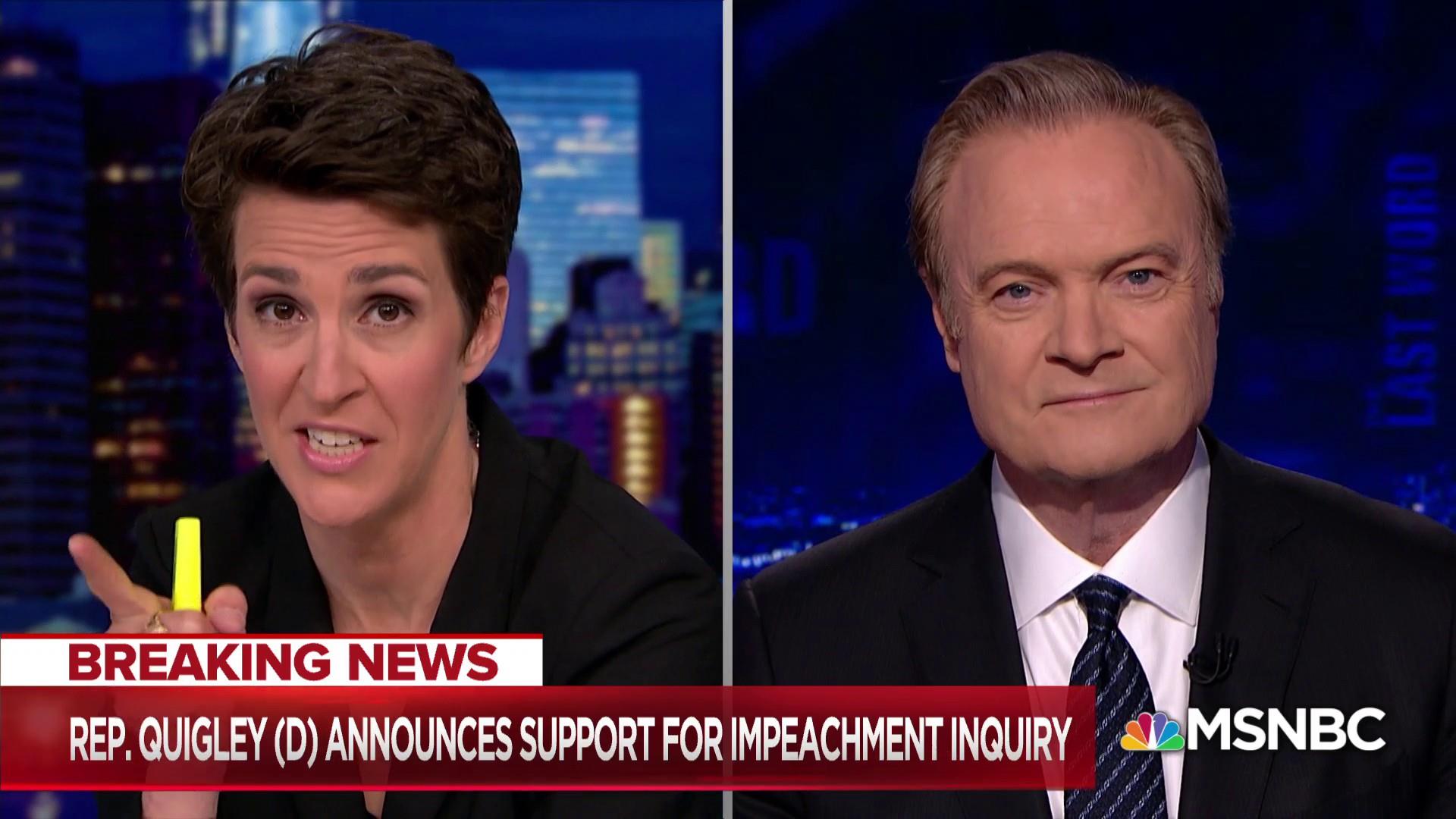
MSNBC has a reputation for delivering comprehensive and unbiased news coverage. However, the way it presents breaking news headlines can have a profound impact on public perception. Here are some key aspects of MSNBC’s coverage:

1. Emphasis on Sensationalism
MSNBC often emphasizes sensationalist headlines to attract viewers. While this may increase viewership, it can also lead to an exaggerated perception of certain events. For instance, a recent study by the Media Matters for America found that MSNBC’s breaking news headlines were more sensational than those of its competitors (Media Matters for America, 2021).
2. Emotional Appeal
MSNBC’s breaking news headlines frequently use emotional language to evoke a strong response from the audience. This can be effective in capturing attention, but it may also lead to an oversimplification of complex issues. A study by the University of California, Berkeley, found that emotional appeals in news headlines can lead to a distorted perception of events (Miller, 2019).
3. Bias and Partisanship
While MSNBC claims to be unbiased, its breaking news headlines often reflect a liberal bias. This can influence public perception, particularly among viewers who are not already aligned with the network’s political stance. A study by the Pew Research Center found that MSNBC’s audience is more liberal than the general population (Pew Research Center, 2020).
The Impact on Public Perception
The way MSNBC presents breaking news headlines can have several implications for public perception:
1. Polarization
MSNBC’s emphasis on sensationalism and emotional appeal can contribute to the polarization of public opinion. By framing events in a particular way, the network can reinforce existing beliefs and biases, making it difficult for viewers to engage in constructive dialogue.

2. Misinformation
The use of biased headlines can lead to the spread of misinformation. Viewers who rely solely on MSNBC for their news may be exposed to skewed perspectives, which can have a lasting impact on their understanding of current events.
3. Desensitization
The constant stream of breaking news headlines can lead to desensitization among viewers. This can result in a diminished sense of urgency regarding important issues, as the news becomes a background noise rather than a call to action.
Conclusion
In conclusion, the impact of breaking news headlines on public perception cannot be overstated. MSNBC’s coverage, while comprehensive and unbiased, often emphasizes sensationalism and emotional appeal, which can contribute to polarization, misinformation, and desensitization. As society becomes increasingly reliant on news headlines for information, it is crucial for news organizations to consider the potential consequences of their reporting practices. Future research should focus on the long-term effects of breaking news headlines on public perception and explore ways to mitigate their negative impacts.
Recommendations and Future Research
To address the potential negative impacts of breaking news headlines, the following recommendations are proposed:
1. Promote Balanced Reporting
News organizations should strive to present balanced coverage, ensuring that multiple perspectives are represented in breaking news headlines.
2. Enhance Media Literacy
Educational initiatives should be implemented to enhance media literacy, empowering individuals to critically evaluate news sources and headlines.
3. Monitor and Address Bias
News organizations should regularly monitor their coverage for bias and take steps to address any discrepancies.
By implementing these recommendations and conducting further research on the long-term effects of breaking news headlines, we can work towards a more informed and engaged society.



